Translate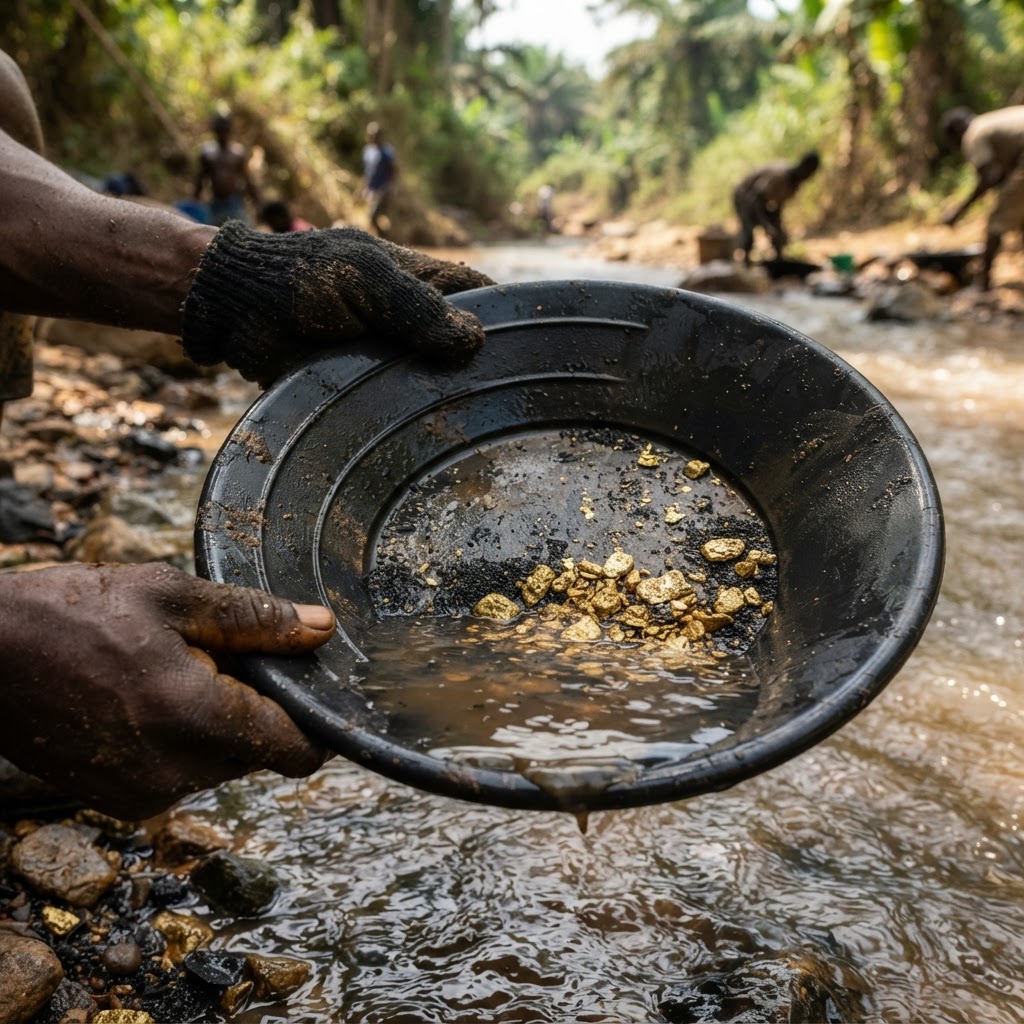
Gold as an Economic Pillar
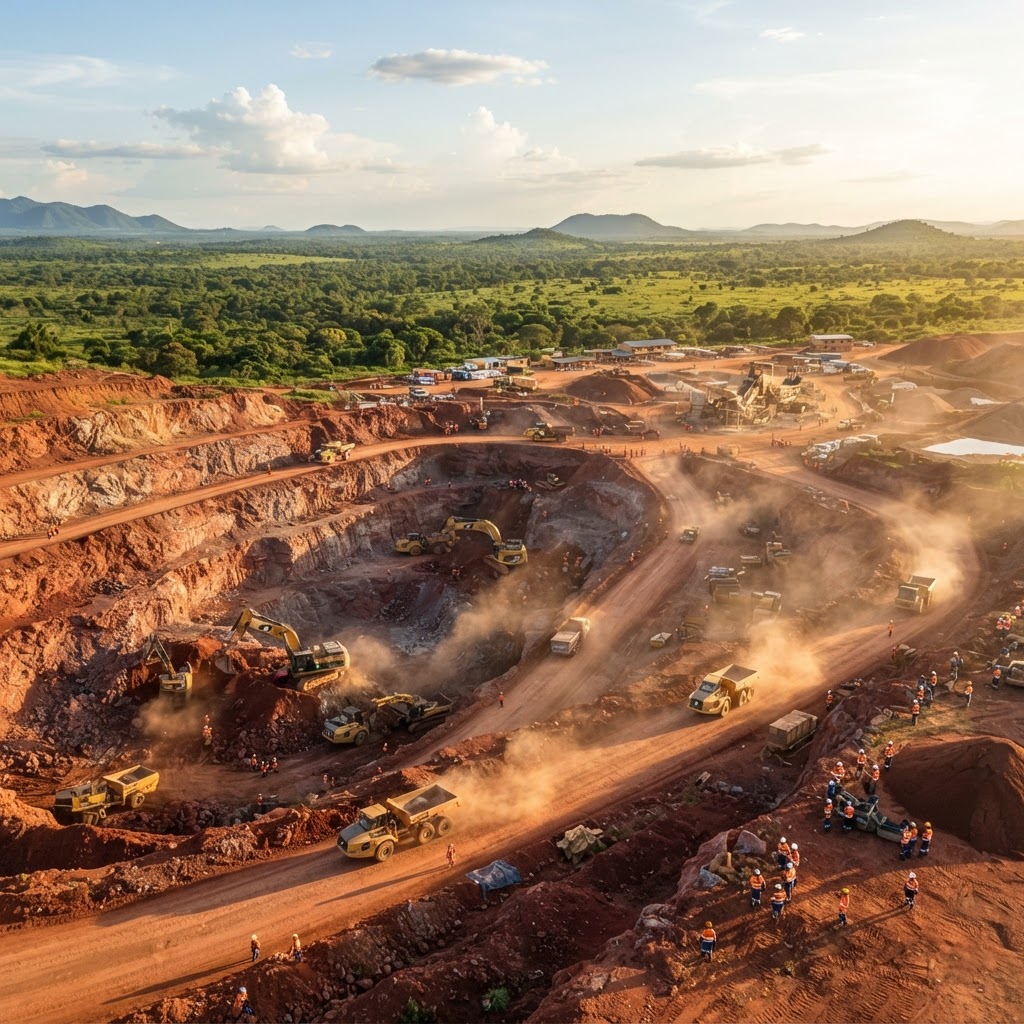
In both the DRC and Uganda, gold plays a role that far exceeds its contribution to formal GDP statistics. It is the lifeblood of rural economies, the primary income source for hundreds of thousands of families, and an increasingly important source of government revenue.
The DRC: Gold and Economic Transformation
Scale of the Gold Economy
- Gold is the DRC's 2nd largest mineral export after cobalt
- Formal gold exports: USD 1.5–2.5 billion annually
- Estimated informal/untracked exports: Additional USD 500M–1B
- Approximately 500,000 artisanal miners depend on gold
Government Revenue
- 5% royalty on all gold production
- Corporate income tax (30%) from large mines like Kibali
- Kibali alone paid USD 200M+ in taxes in 2022
Development Impact
- Mining infrastructure (roads, power) benefits surrounding communities
- Local procurement requirements under Mining Code support local business
- Healthcare and education obligations on large license holders
Uganda: Gold as Export Champion
Remarkable Growth
- Uganda's gold exports grew from USD 500M (2019) to USD 3.2 billion (2021)
- Gold became Uganda's top export, surpassing coffee for the first time
- Significant volumes pass through Uganda from neighboring DRC (re-export trade)
Government Strategy
- Mineral Wealth Strategy 2020–2030 targets formal sector growth
- Plans for national gold refinery to add value before export
- DGSM digitization program to improve licensing and tracking
Community Impact
- Mining districts (Mubende, Busia) have significantly higher household incomes
- Mining revenues fund local schools, health facilities, and roads
- Women's cooperatives in Busia earning UGX 1–3M/month from gold trading
The Challenge of the Informal Sector
A significant proportion of gold production remains informal — unregistered, untaxed, and sometimes smuggled. Improving formalization is a key priority for both governments, and it creates opportunities for compliant buyers to access larger, documented volumes.
Discuss Your Gold Sourcing Requirements
Interested in discussing legitimate gold sourcing, mining opportunities or African gold supply? Contact Equator Gold Resources to discuss your requirements and the applicable due-diligence process. Availability of gold is always subject to verification, and transactions are subject to applicable regulations.
About the Editorial Team
This article is published by the Equator Gold Resources Editorial Team for general educational purposes and does not constitute legal, tax, investment or professional advice. Gold transactions, mining, licensing, export, taxation, AML/KYC and documentation requirements differ by jurisdiction and change over time. Buyers and investors should confirm current requirements with the relevant government authorities in Uganda, the Democratic Republic of the Congo (DRC), South Sudan and other applicable jurisdictions, and seek advice from qualified legal, customs and assay professionals.