Translate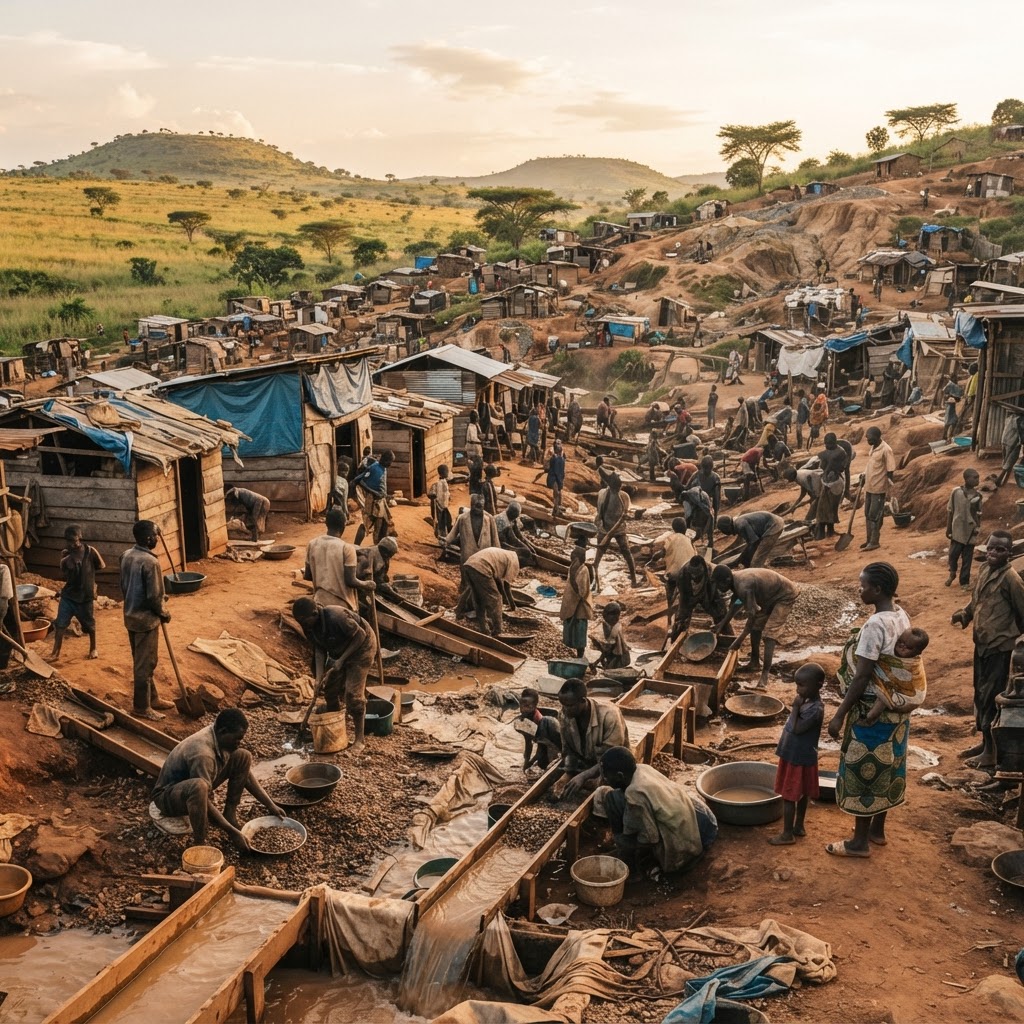
The Heart of Uganda's Gold Economy
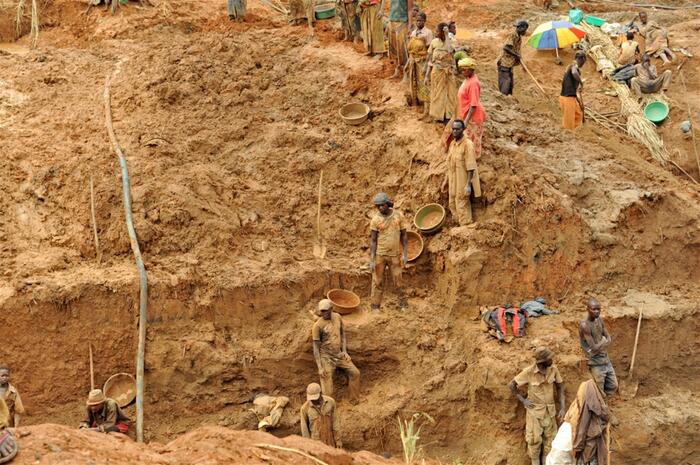
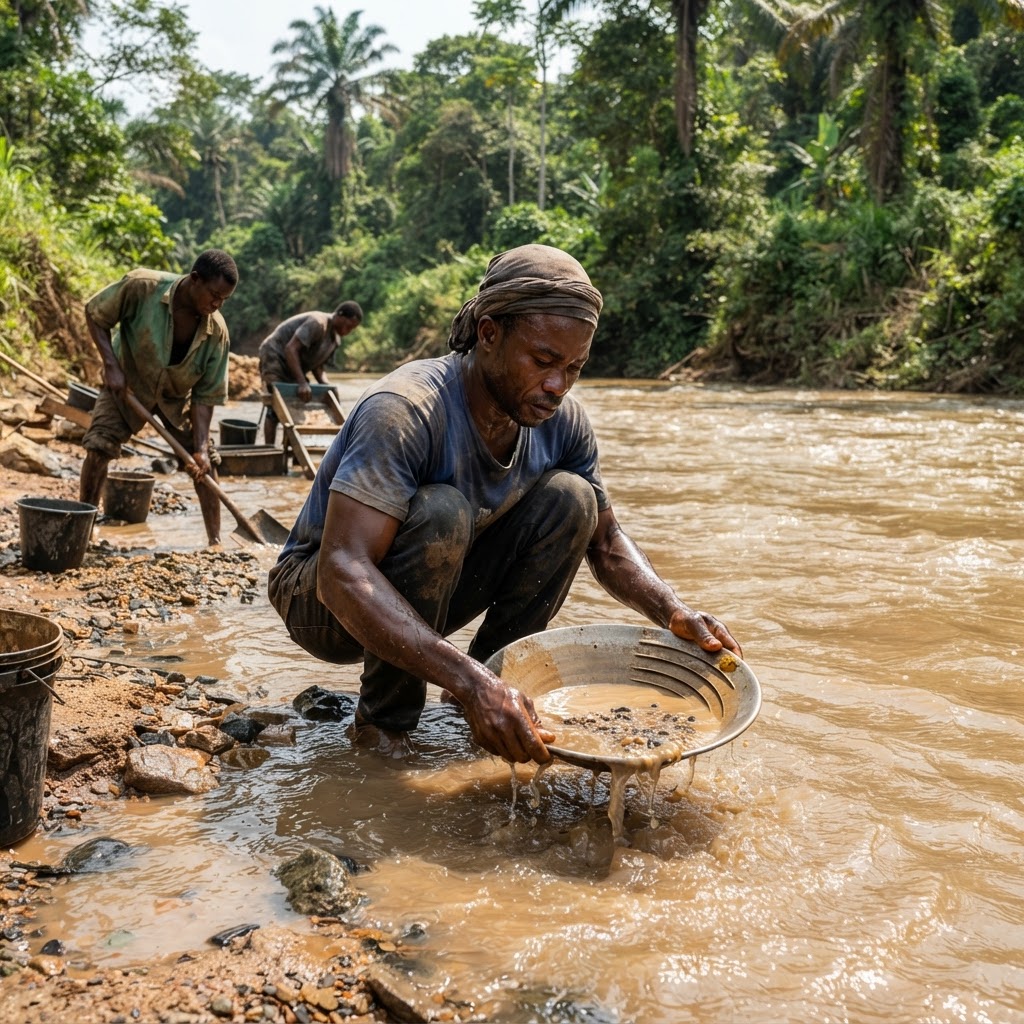
Artisanal and small-scale mining (ASM) accounts for an estimated 70% of Uganda's gold production. These communities — numbering in the tens of thousands across Mubende, Busia, and Karamoja — form the backbone of the country's gold supply chain.
Social Structure of Mining Communities
The Sponsor (Financier)
Also called a 'financier' or 'money lender', the sponsor funds mining operations — buying equipment, food, and supplies — in exchange for the right to purchase all gold produced at a negotiated below-market price.
The Pit Owner
Holds the mining rights or informal claim. Manages the workforce and physical operations. Sells gold to the sponsor or directly to licensed dealers.
The Miners (Diggers)
Paid daily wages (UGX 10,000–25,000 / $2.70–$6.75/day) or work on a profit-share basis. Typically male, ages 18–40.
Women in ASM
Women play crucial support roles: ore processing, mercury use (sadly), food provision, and gold trading. Female-led cooperatives are growing in Busia district.
Economic Impact
- Estimated 150,000–250,000 people directly employed in Uganda ASM
- Contributes USD 300–500 million to informal economy annually
- Primary income source for communities in Mubende, Busia, Kasanda districts
- Funds local schools, health clinics, and businesses
How Gold Reaches the Market
- Miner extracts and smelt gold into small bead/bar
- Sold to local buyer (sponsor or pit-level trader) at 85–90% of spot
- Local buyer consolidates into larger parcel and sells to licensed dealer
- Licensed dealer arranges assay, documentation, and export
- International buyer receives CEEC/DGSM-certified parcel
Challenges Facing ASM Communities
- Access to formal finance (most operations are cash-based)
- Health risks from mercury exposure
- Child labour (especially in Karamoja)
- Lack of formal land tenure in mining zones
- Price exploitation by middlemen
Equator Gold Resources works directly with licensed pit owners in Mubende, reducing the middleman chain and improving returns for local miners.
Discuss Your Gold Sourcing Requirements
Interested in discussing legitimate gold sourcing, mining opportunities or African gold supply? Contact Equator Gold Resources to discuss your requirements and the applicable due-diligence process. Availability of gold is always subject to verification, and transactions are subject to applicable regulations.
About the Editorial Team
This article is published by the Equator Gold Resources Editorial Team for general educational purposes and does not constitute legal, tax, investment or professional advice. Gold transactions, mining, licensing, export, taxation, AML/KYC and documentation requirements differ by jurisdiction and change over time. Buyers and investors should confirm current requirements with the relevant government authorities in Uganda, the Democratic Republic of the Congo (DRC), South Sudan and other applicable jurisdictions, and seek advice from qualified legal, customs and assay professionals.