Key Takeaways
- The Democratic Republic of the Congo (DRC) is one of Africa's most significant gold-producing countries.
- DRC gold reaches the market in raw form — nuggets, dust and doré — and increasingly through formal refining channels.
- Formal and informal supply chains coexist; buyers must use verified counterparties and documented provenance.
- DRC gold trading, licensing and export are subject to Congolese law and certification requirements.
- Responsible sourcing and AML/KYC due diligence are essential in the DRC context.
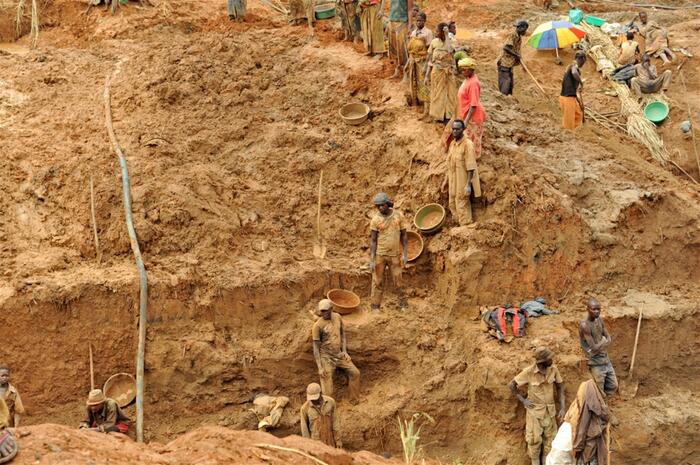
The Democratic Republic of the Congo (DRC) is one of Africa's largest gold producers, with substantial output from both industrial-scale mines and a very large artisanal and small-scale mining (ASM) sector. For international buyers, "gold for sale in Congo" is a real market — but a demanding one. This guide explains how the DRC gold market works and what professional buyers must verify.
The DRC Gold Sector
Gold is produced across several DRC provinces, including Ituri, North and South Kivu, and Maniema, in styles ranging from large industrial operations to extensive artisanal workings. The sector is regulated under Congolese mining law, with a state certification system for mineral exports. Buyers should note the distinction between the DRC and the neighbouring Republic of the Congo — "Congo gold" in the market almost always refers to the Democratic Republic of the Congo (DRC).
Forms of Gold in the DRC Market
- Raw gold — unrefined material from ASM and small-scale production
- Nuggets and gold dust — common in alluvial and artisanal supply chains
- Doré — unrefined bars produced by small smelters
- Refined gold — output of licensed DRC refineries
Each form demands different verification. Our comparison of raw gold, nuggets, bars and dust in the DRC covers the differences in detail.
Formal Versus Informal Supply Chains
The DRC gold market includes formal channels — licensed producers, buying houses, refineries and exporters operating under state certification — and informal channels that may bypass regulation. The practical difference for a buyer is documentation: formal gold carries a documented chain of custody; informal gold does not. International buyers should transact only through verified counterparties in the formal chain. For broader context, see gold for sale in Africa.
Due Diligence for DRC Gold
Professional due diligence in the DRC covers:
- Counterparty — identity, registration, licences, and track record
- Provenance — where the gold was produced and how it moved through the chain
- Certification — compliance with the DRC's mineral export certification system
- Assay — independent verification of purity
- Responsible sourcing — alignment with international guidance, notably the OECD Due Diligence Guidance for minerals from conflict-affected areas
- AML/KYC — identification and anti-money-laundering checks required by banks and regulators
Our safe gold buying checklist for Africa provides the full framework.
Licensing and Export Requirements
Gold production, trading and export in the DRC require licences under Congolese law, and exports pass through the state certification and verification system, with agencies including the CEEC (Centre d'Expertise, d'Évaluation et de Certification) involved in export certification. These requirements are subject to change and enforcement varies — buyers must confirm current requirements with the relevant Congolese authorities and qualified local professionals. Attempting to export gold outside official channels is illegal and exposes buyers to severe legal consequences.
Responsible Sourcing in the DRC
Because parts of the eastern DRC have experienced conflict, international buyers apply heightened scrutiny to gold from the region. Responsible sourcing means documented provenance, engagement with formalised supply chains, and respect for human rights and environmental standards — see our responsible African gold sourcing guide.
Working with Equator Gold Resources
We approach the DRC market with the discipline it demands: verified counterparties, documented provenance, independent assay and compliance with applicable regulations. Availability is always subject to verification. To discuss legitimate DRC gold sourcing, contact our team.
Frequently Asked Questions
Can you buy gold in the DRC?
Yes — gold is produced and traded in the Democratic Republic of the Congo, but purchases must follow Congolese law: sellers must hold appropriate licences, the gold must have documented provenance, and exports require certification. Buyers should work through verified counterparties and conduct full due diligence.
What forms of gold are available in the DRC?
Gold from the DRC is typically unrefined — raw gold, nuggets, gold dust and doré — alongside refined material from licensed refineries. Each form requires different verification and pricing approaches.
What due diligence is required for DRC gold?
Buyers should verify the seller's identity and licences, establish the gold's provenance, obtain independent assay, use documented contracts and traceable payment, and comply with Congolese export certification and international responsible-sourcing guidance such as the OECD Due Diligence Guidance.
Is all DRC gold conflict-free?
Not automatically. Buyers must verify provenance through the DRC's certification system and apply responsible-sourcing due diligence. Gold without documented, verifiable origin should not be purchased.
Discuss Your Gold Sourcing Requirements
Interested in discussing legitimate gold sourcing, mining opportunities or African gold supply? Contact Equator Gold Resources to discuss your requirements and the applicable due-diligence process. Availability of gold is always subject to verification, and transactions are subject to applicable regulations.
About the Editorial Team
This article is published by the Equator Gold Resources Editorial Team for general educational purposes and does not constitute legal, tax, investment or professional advice. Gold transactions, mining, licensing, export, taxation, AML/KYC and documentation requirements differ by jurisdiction and change over time. Buyers and investors should confirm current requirements with the relevant government authorities in Uganda, the Democratic Republic of the Congo (DRC), South Sudan and other applicable jurisdictions, and seek advice from qualified legal, customs and assay professionals.