 Translate
Key Takeaways
- Responsible sourcing means documented provenance, traceability and supply-chain due diligence — not marketing claims.
- Artisanal and small-scale mining (ASM) is central to African gold supply and requires specific due-diligence approaches.
- Human rights, environmental practice and AML/KYC are core pillars of responsible supply chains.
- International guidance (notably the OECD Due Diligence Guidance) sets the reference framework buyers apply.
- Equator Gold Resources positions around professionalism and transparency — without making unsupported certification claims.
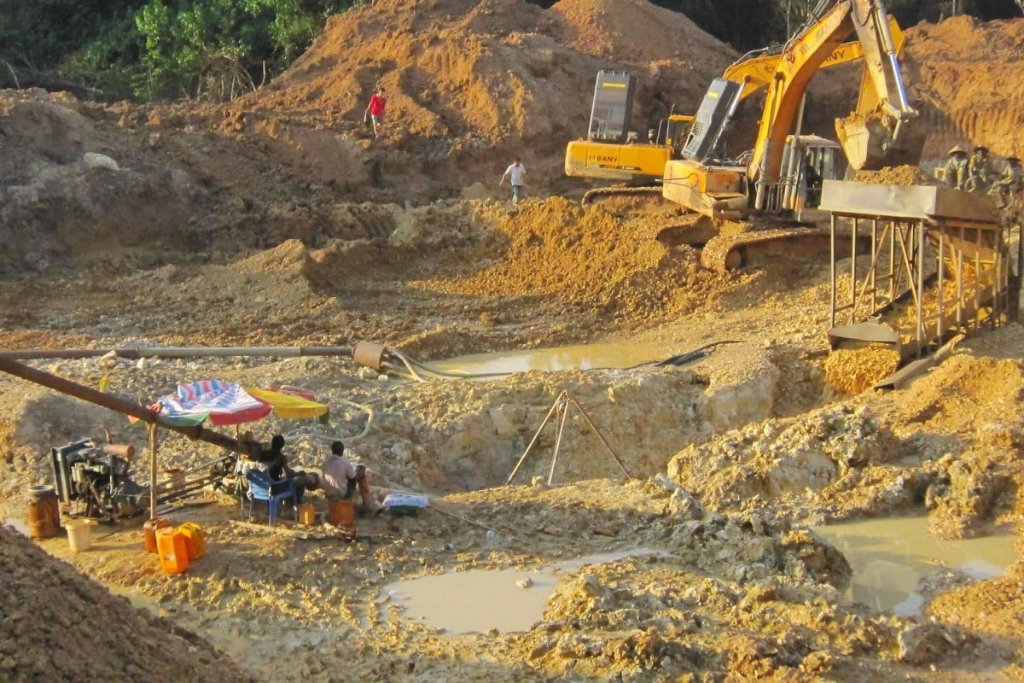
Responsible sourcing is no longer optional in the gold market — it is the price of admission. Major refiners, banks and institutional buyers demand documented provenance and supply-chain due diligence, and African suppliers who cannot provide them are locked out of the formal market. This guide explains what responsible sourcing actually involves.
What "Responsible Sourcing" Means
Responsible sourcing is a documented system, not a slogan. Its components:
- Provenance — documented evidence of where gold was produced and its chain of custody to market
- Traceability — the ability to follow material through each transaction, with records at every step
- Due diligence — systematic checks on counterparties, origin, and the risks attached to both
- Compliance — with the applicable laws of the producing, trading and importing jurisdictions
The International Framework
The reference standard is the OECD Due Diligence Guidance for mineral supply chains from conflict-affected and high-risk areas, which sets out a five-step framework: establish management systems; identify and assess risks; design and implement responses; carry out independent third-party checks; and report annually. Industry programmes — including refiner certification schemes and LBMA Good Delivery responsible-sourcing requirements — build on this foundation. Buyers engaging African supply chains are expected to align with it.
Artisanal and Small-Scale Mining
ASM produces a substantial share of East and Central Africa's gold (see gold for sale in Uganda and gold for sale in the DRC). Responsible ASM sourcing requires specific due diligence:
- Formalisation — working with licensed miners and cooperatives, not informal channels
- Site-level checks — working conditions, child-labour prevention, and fair dealing
- Environmental practice — mercury awareness, water use and land rehabilitation
- Community benefit — local employment and transparent local transactions
Responsible buyers do not exclude ASM — they formalise their engagement with it.
Human Rights and Environmental Responsibility
Supply-chain due diligence addresses risks including forced labour, child labour, unsafe working conditions, and conflict financing. Environmental responsibility covers mercury management in ASM processing, water impacts of alluvial mining (see river gold), and site rehabilitation. These are documented, monitored commitments — not aspirations.
AML/KYC in the Gold Chain
Gold's portability and value make it a target for money laundering, which is why AML/KYC discipline runs through every responsible transaction: identified counterparties, documented transactions, traceable payment and screening against sanctions lists. See the safe African gold buying checklist.
What Buyers Should Ask Suppliers
- What is the documented provenance of this material?
- Which licences cover production, trading and export?
- What due diligence has been performed on upstream sources?
- What is the environmental and community position at source?
- What documentation accompanies the material end to end?
Suppliers who cannot answer with documents — not assurances — are not responsible-supply-chain ready. Verification methods for the material itself are covered in how gold is tested.
Equator Gold Resources' Position
We build our business on professionalism, transparency and documented process: verified counterparties, traceable provenance, independent assay and compliance with the applicable regulations of each jurisdiction we operate in. We do not make unsupported certification or compliance claims — where formal certification applies to a transaction, it is evidenced in the documentation. To discuss responsible sourcing, contact our team.
Frequently Asked Questions
What is responsible gold sourcing?
Responsible gold sourcing means buying gold with documented provenance and traceability, applying supply-chain due diligence to identify and manage human rights, security, environmental and money-laundering risks, and complying with applicable law at every step from mine to market.
Why is gold provenance important in Africa?
Provenance — documented evidence of where gold was produced and how it moved through the supply chain — is the basis for legal compliance, responsible-sourcing assurance and access to formal markets. Gold without traceable provenance cannot be responsibly sold into international supply chains.
How does artisanal mining fit into responsible supply chains?
Artisanal and small-scale mining (ASM) supplies a large share of African gold and can be part of responsible supply chains when it is formalised, documented and monitored — with due diligence covering working conditions, child-labour prevention and environmental practice.
What is the OECD Due Diligence Guidance?
The OECD Due Diligence Guidance for Responsible Supply Chains of Minerals from Conflict-Affected and High-Risk Areas is the international reference framework companies use to identify and manage risks in mineral supply chains, including gold. It is the baseline that major refiners and buyers expect suppliers to meet.
Discuss Your Gold Sourcing Requirements
Interested in discussing legitimate gold sourcing, mining opportunities or African gold supply? Contact Equator Gold Resources to discuss your requirements and the applicable due-diligence process. Availability of gold is always subject to verification, and transactions are subject to applicable regulations.
About the Editorial Team
This article is published by the Equator Gold Resources Editorial Team for general educational purposes and does not constitute legal, tax, investment or professional advice. Gold transactions, mining, licensing, export, taxation, AML/KYC and documentation requirements differ by jurisdiction and change over time. Buyers and investors should confirm current requirements with the relevant government authorities in Uganda, the Democratic Republic of the Congo (DRC), South Sudan and other applicable jurisdictions, and seek advice from qualified legal, customs and assay professionals.
