Translate
Key Takeaways
- Gold purity is expressed as karat (24K = pure) or fineness (999.9 = 99.99% gold).
- XRF analysis gives rapid, non-destructive purity estimates; fire assay remains the definitive reference method.
- Sampling is as important as testing: a non-representative sample produces a confident, wrong answer.
- Density and weight checks are useful screens but never replace laboratory assay.
- Visual inspection cannot establish purity — colour and shine are unreliable indicators.
Every professional gold transaction — from a kilobar purchase to a bulk raw-gold trade — rests on one question: what is actually in the material? This guide explains how that question is answered: the language of purity, the professional testing methods, and the discipline that makes results trustworthy.
The Language of Purity
Karat expresses gold content in 24ths: 24K is pure gold; 18K is 18/24 = 75% gold. Fineness expresses purity in parts per thousand: 999.9 means 99.99% gold; 995 means 99.5%. Percent purity is simply fineness divided by 10.
| Karat | Fineness | Purity | |---|---|---| | 24K | 999+ | 99.9%+ | | 22K | 916 | 91.6% | | 18K | 750 | 75.0% | | 14K | 585 | 58.5% |
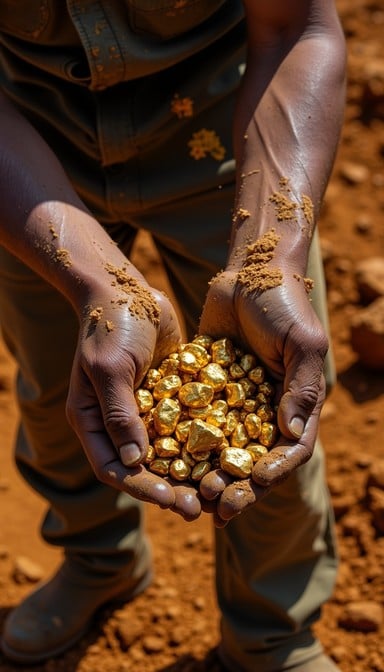
Natural raw gold is rarely pure: depending on its deposit, raw material may assay anywhere from roughly 70% to 95%+ gold, with silver, copper and other minerals making up the balance. This is why raw gold is priced on assayed gold content — see how gold prices are determined.
Why Visual Inspection Is Insufficient
Gold's colour shifts with its alloy content; plating can mimic solid gold; raw lots mix gold with other heavy minerals. Even experienced traders cannot determine purity by eye. Visual checks have a role in spotting obvious fakes, but no role in establishing purity.
XRF Testing (X-Ray Fluorescence)
XRF instruments irradiate the sample with X-rays and read the resulting characteristic emissions, producing an elemental breakdown in seconds — non-destructive and highly useful for:
- Screening bars, nuggets and jewellery before purchase
- Verifying refinery markings on bullion
- On-the-spot fraud detection
XRF measures the surface and near-surface of a piece, so it can miss filled fakes — which is why it complements, rather than replaces, other methods.
Fire Assay
The classical reference method, unchanged in principle for centuries:
- A weighed sample is fused with fluxes in a crucible
- The metals separate; gold is collected
- The recovered gold is weighed and purity calculated
Fire assay is destructive (a small sample is consumed) but definitive — the standard basis for commercial settlement and refinery acceptance.
Sampling — The Step That Decides Everything
An assay is only as good as its sample. For bulk material (dust, concentrates, mixed lots), professional practice requires representative sampling: homogenising, splitting and sealed, witnessed samples — ideally with both parties present. A confident assay of an unrepresentative sample is simply a confident wrong answer. The full purchase procedure is in gold dust for sale in Uganda.
Weight and Density Checks
- Weight — verified on calibrated, certified scales, witnessed (moisture inflates raw-material weight)
- Density — gold's 19.3 g/cm³ distinguishes it from brass, copper, tungsten-cored fakes and gold-plated substitutes; hydrostatic weighing catches most counterfeits
Useful screens — but screens only. See genuine gold for sale in Uganda for how these fit into a full verification checklist.
Refining Confirms Everything
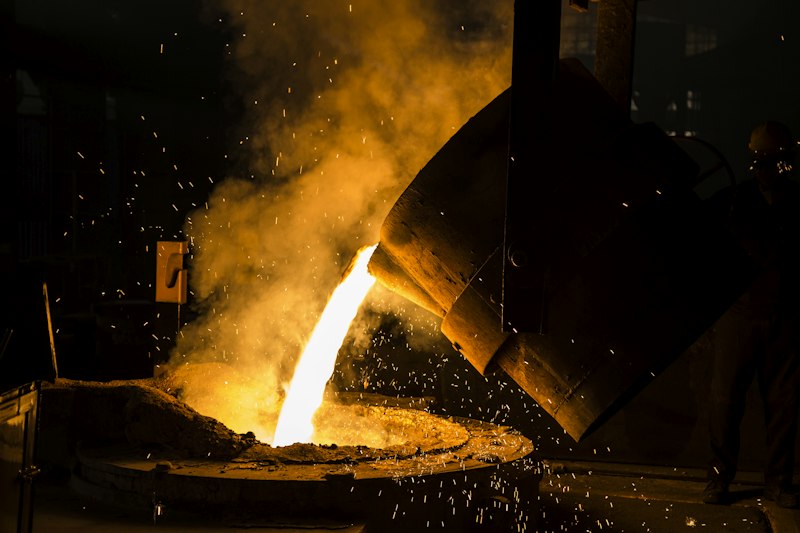
Smelting and refining turn tested raw material into certified bullion — the moment when assay results are confirmed against recovered metal. Refinery settlement terms are therefore part of purchase economics for raw gold.
Practical Rules for Buyers
- Screen with XRF and density; settle with fire assay
- Insist on representative, witnessed sampling for bulk lots
- Accept only certificates from accredited, independent laboratories
- Never pay before purity and weight are verified
- Match every certificate to the physical material
For product-specific applications, see gold bars, nuggets and the safe African gold buying checklist. To discuss verified, assay-documented sourcing, contact our team.
Frequently Asked Questions
What is a gold assay?
A gold assay is a laboratory analysis that determines the proportion of gold in a sample, reported as purity (karat or fineness). The two main professional methods are X-ray fluorescence (XRF) analysis — rapid and non-destructive — and fire assay, the classical reference method in which the sample is melted and analysed.
How is gold purity measured?
Gold purity is measured as a proportion of total metal content: in karats (24K = pure gold) or as fineness in parts per thousand (999.9 = 99.99%). Percent purity equals fineness divided by 10. Laboratory assay — XRF for screening, fire assay for definitive results — establishes purity.
Can gold be tested at home?
Simple checks — density (hydrostatic weighing), magnets (gold is non-magnetic), and careful visual signs — can screen obvious fakes, but they cannot measure purity and should never be relied on for a purchase decision. Professional buyers use accredited laboratory assay before payment.
Why can't you judge gold by looking at it?
Gold's colour varies naturally with its silver and copper content; plated fakes can look convincing; and raw material contains other minerals. Only laboratory analysis can determine what proportion of a piece or parcel is actually gold.
Discuss Your Gold Sourcing Requirements
Interested in discussing legitimate gold sourcing, mining opportunities or African gold supply? Contact Equator Gold Resources to discuss your requirements and the applicable due-diligence process. Availability of gold is always subject to verification, and transactions are subject to applicable regulations.
About the Editorial Team
This article is published by the Equator Gold Resources Editorial Team for general educational purposes and does not constitute legal, tax, investment or professional advice. Gold transactions, mining, licensing, export, taxation, AML/KYC and documentation requirements differ by jurisdiction and change over time. Buyers and investors should confirm current requirements with the relevant government authorities in Uganda, the Democratic Republic of the Congo (DRC), South Sudan and other applicable jurisdictions, and seek advice from qualified legal, customs and assay professionals.