Translate
Key Takeaways
- A genuine gold bar carries refinery markings, a certified weight and a certified fineness (e.g. 999.9).
- Bullion and unrefined material are different products: bars trade on certified purity; raw material trades on assayed gold content.
- Verification combines physical checks (dimensions, weight, density), XRF or fire assay, and documentation review.
- Payment should never be made before independent verification of the bar and the counterparty.
- Export of gold bars from Uganda is subject to licensing and documentation requirements under applicable Ugandan law.
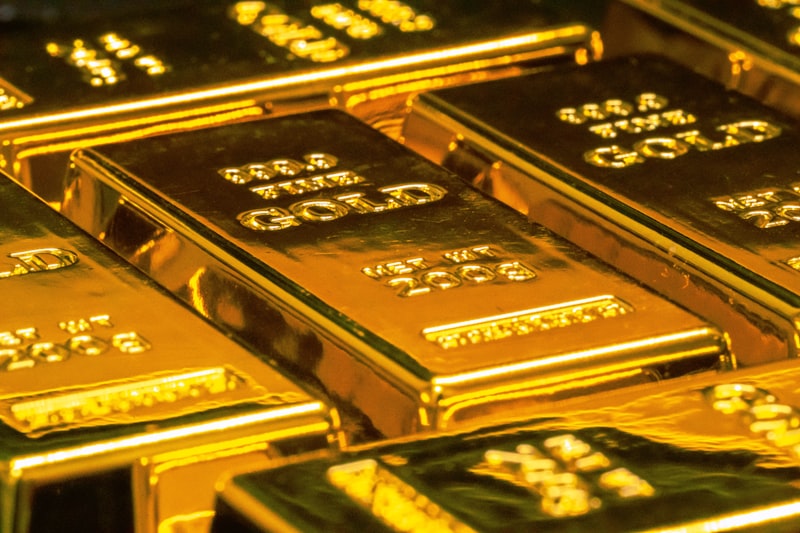
Gold bars are the most recognisable form of gold — and the form most targeted by fraud. A professional purchase of gold bars in Uganda depends on understanding what a bar actually is, how its value is certified, and how to verify both the metal and the counterparty before payment. This guide explains each step.
What Constitutes a Gold Bar?
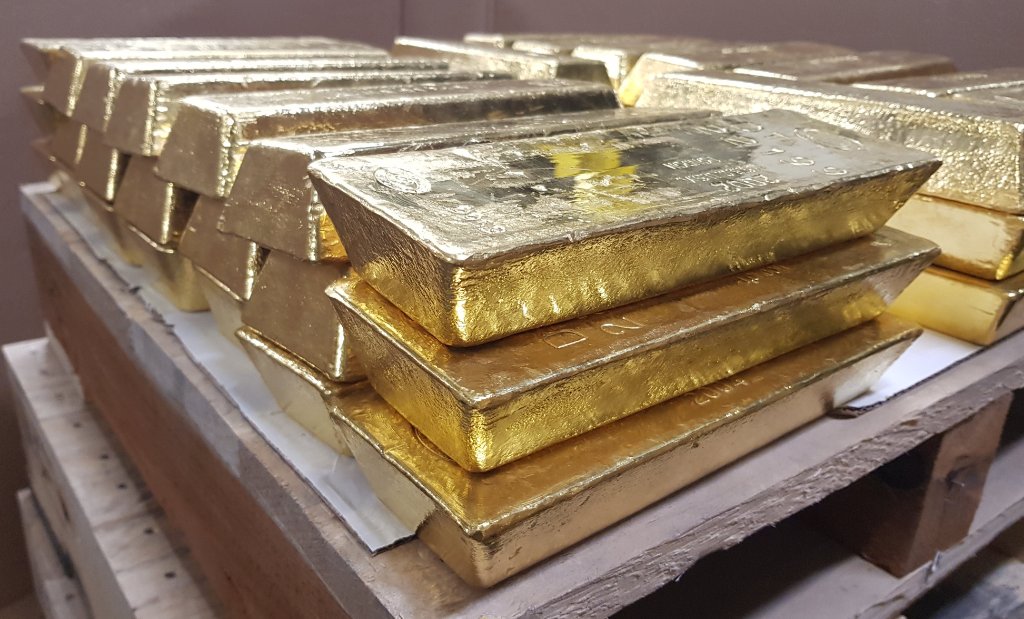
A true gold bar (bullion) is refined gold of certified purity, cast or minted by a refinery and marked with:
- The refinery's mark or logo
- A serial number or batch identification
- The certified weight
- The certified fineness — e.g. 999.9 (99.99% gold) or 995 (99.5%)
If a "bar" carries no refinery markings, its story rests entirely on the seller's word — a situation professional buyers avoid. Compare this with raw material in our guide to gold for sale in Uganda.
Weight, Purity and Fineness
Bar weights follow international conventions — commonly 1 kg, 100 g, 50 g, 10 g and 1 troy ounce. Purity is expressed as fineness: 999.9 means 99.99% gold. The value of a bar equals weight × fineness × the prevailing benchmark price. Two bars of equal weight can therefore differ in value if their fineness differs — see how gold pricing is determined.
Assay Certificates and Documentation
Legitimate bars come with documentation. Depending on the refinery and transaction, this may include an assay certificate, a refinery invoice or certificate of origin, and packing lists matching serial numbers. Buyers should match every document to the physical bar — serial number, weight and fineness — before payment. Independent verification of purity is explained in how gold is tested.
Bullion Versus Unrefined Material
| Feature | Refined gold bars | Unrefined gold | |---|---|---| | Purity | Certified, typically 99.5%+ | Variable, confirmed only by assay | | Markings | Refinery mark, serial, weight, fineness | None | | Pricing | Weight × fineness, close to spot | Assayed gold content minus refining costs | | Verification | Documents + assay spot-check | Full independent assay required | | Buyer profile | Investors, institutions | Traders, refiners, experienced buyers |
Verification Procedures Before Payment
- Inspect markings — refinery mark, serial number, weight, fineness all present and consistent.
- Weigh on a calibrated, certified scale independent of the seller where possible.
- Measure — dimensions and density checks detect many counterfeits (tungsten-filled bars, for example).
- Assay — XRF testing gives a rapid purity reading; fire assay is the reference method.
- Verify documents — certificates must match the physical bar exactly.
- Verify the seller — identification, registration, licences and references. See how to buy gold in Africa safely.
Common Gold-Bar Scams
- Tungsten-core fakes — gold-plated tungsten matches gold's weight but not its density
- Fake or forged certificates — documents that do not match any real refinery
- "Too cheap to refuse" pricing — far below benchmark with an urgency narrative
- Switching — genuine bar shown, different bar delivered
- Advance-payment fraud — payment demanded before any independent verification
Each of these is defeated by the same discipline: independent verification before payment. Our genuine gold verification checklist expands on these red flags.
Buyer Checklist Before Payment
- [ ] Refinery markings present and consistent with documents
- [ ] Weight verified on a calibrated scale
- [ ] Purity confirmed by independent XRF or fire assay
- [ ] Serial numbers match certificates exactly
- [ ] Seller identity, registration and licences verified
- [ ] Written commercial agreement in place
- [ ] Payment structured and traceable
- [ ] Export/licensing implications understood — subject to applicable Ugandan regulations
Next Step
Equator Gold Resources assists buyers with legitimate, documented sourcing enquiries. Availability of bars is subject to verification and the applicable due-diligence process. Contact our team to discuss your requirements.
Frequently Asked Questions
Where can I buy gold bars in Uganda?
Gold bars are sold by licensed gold dealers and refineries operating in Uganda. Buyers should verify the seller's licences, confirm the bar's refinery markings and assay documentation, and conduct independent due diligence before any payment.
What purity should a gold bar have?
Investment-grade bars are typically 99.5% to 99.99% pure (995 to 999.9 fineness). Purity is confirmed by assay, not by appearance. Lower-finity material is unrefined doré rather than bullion and is priced accordingly.
How do I verify a gold bar before buying?
Check the refinery markings and serial number against documentation, verify weight on a calibrated scale, measure dimensions and density, and confirm purity by XRF testing or fire assay at an accredited laboratory. Then verify the seller and the bar's provenance before payment.
What is the difference between bullion and unrefined gold?
Bullion is refined gold of certified fineness (typically 99.5%+), struck or cast into bars with refinery markings. Unrefined gold (doré, dust, nuggets) still contains impurities and is valued on assayed gold content minus refining costs.
Discuss Your Gold Sourcing Requirements
Interested in discussing legitimate gold sourcing, mining opportunities or African gold supply? Contact Equator Gold Resources to discuss your requirements and the applicable due-diligence process. Availability of gold is always subject to verification, and transactions are subject to applicable regulations.
About the Editorial Team
This article is published by the Equator Gold Resources Editorial Team for general educational purposes and does not constitute legal, tax, investment or professional advice. Gold transactions, mining, licensing, export, taxation, AML/KYC and documentation requirements differ by jurisdiction and change over time. Buyers and investors should confirm current requirements with the relevant government authorities in Uganda, the Democratic Republic of the Congo (DRC), South Sudan and other applicable jurisdictions, and seek advice from qualified legal, customs and assay professionals.