Key Takeaways
- Gold export from Uganda is regulated: licences, documentation, taxes and inspection apply under Ugandan law.
- The export chain runs: sourcing → assay → documentation → customs → secure logistics.
- AML/KYC compliance is integral — banks and regulators on both ends require it.
- Requirements change: buyers must confirm current rules with the relevant Ugandan authorities and qualified professionals.
- This guide is educational, not legal advice — engage Ugandan counsel and customs specialists for live transactions.
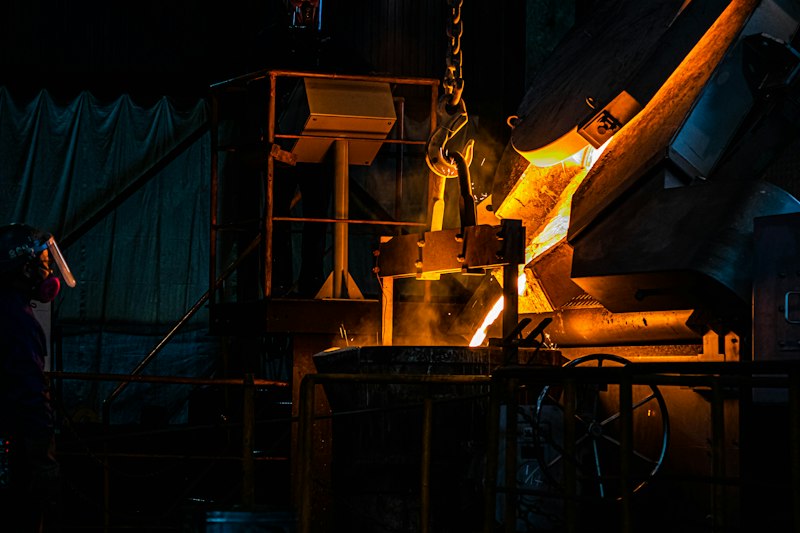
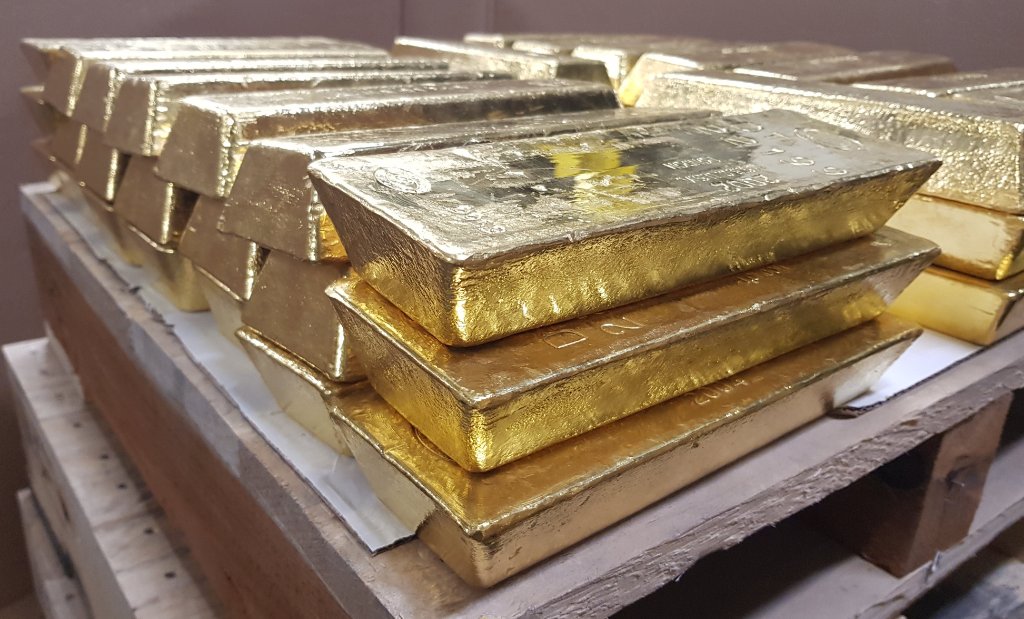
Uganda has developed into a significant gold trading and refining hub for the region, processing material from domestic production and neighbouring countries for export. For international buyers, understanding how the export chain works — and where the compliance obligations sit — is essential background to any transaction. This guide is educational; it is not legal advice.
Uganda's Position in the Gold Supply Chain
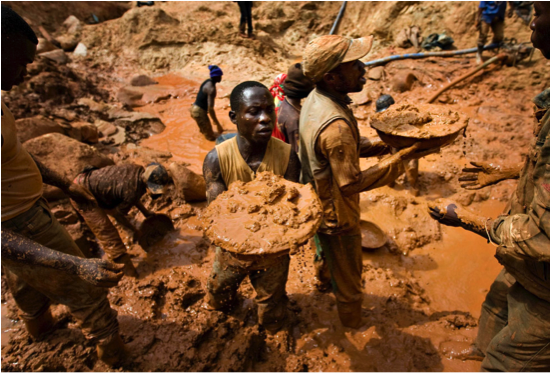
Gold reaches Uganda's market through licensed producers, artisanal and small-scale mining (ASM) networks and regional inflows, and is consolidated by licensed dealers and refineries before export. The supply chain is described in gold for sale in Uganda; here we follow the material onward to the border.
The Export Chain — Step by Step
- Sourcing through licensed channels — the dealer or refinery holds the licences Ugandan law requires
- Assay and valuation — purity confirmed by accredited laboratory (how gold is tested); pricing benchmarked to the international market (gold pricing explained)
- Export documentation — the paperwork required under Ugandan law, including export declarations, invoices and certifications
- Tax and duty settlement — applicable taxes, royalties and fees paid and cleared
- Customs declaration and inspection — the shipment declared through official customs channels
- Secure logistics — insured transport by specialist carriers to the destination
- Import-side compliance — the buyer's own import, tax and AML obligations at destination
Regulatory Compliance and Documentation
Uganda's gold trading framework — covering mining licences, dealer licences, refinery regulation and export requirements — sits under Ugandan law, including the Mining and Minerals Act and related fiscal and customs legislation. These requirements change over time. International buyers must confirm the current position directly with the relevant Ugandan authorities (the mining administration, tax authority and customs) and engage qualified Ugandan legal and customs professionals. This guide deliberately avoids stating precise current rates or procedural detail that may be outdated.
AML/KYC on Both Ends
Gold export transactions attract heightened anti-money-laundering scrutiny: banks, regulators and refiners in destination markets will demand documentation of origin, transaction terms and the identities of all parties. Buyers should apply the AML/KYC discipline in the safe gold buying checklist and expect the same from counterparties.
Common Questions from Buyers
- "Can I personally carry gold out of Uganda?" — Export requires licences and documentation; hand-carrying gold without them is illegal and detected at borders. Do not attempt it.
- "Can I buy at the mine and export directly?" — No. Export runs through licensed dealers/refineries with the required documentation.
- "What about regional gold refined in Uganda?" — Uganda-refined material follows the same export framework; provenance documentation is still required. Regional sourcing context: DRC gold, South Sudan gold.
Responsible Sourcing in Export Transactions
Export-grade material carries responsible-sourcing expectations: documented provenance, ASM due diligence where relevant, and alignment with international guidance — see responsible African gold sourcing.
How Equator Gold Resources Can Assist
We work with international buyers through documented, compliant channels, and direct every enquiry through a due-diligence process covering provenance, assay and applicable Ugandan regulations. Availability is subject to verification. For export-related sourcing enquiries, contact our team.
Frequently Asked Questions
How does gold export work in Uganda?
Gold for export is sourced through licensed channels, assayed to confirm purity, documented with the required export paperwork, and declared through customs with the applicable taxes and fees paid — all under licences required by Ugandan law. Each step generates documentation that accompanies the shipment.
What documents are required to export gold from Uganda?
Typical requirements include the exporter's licences, assay or certification documentation, export declaration, commercial invoices and applicable tax clearances. Because requirements change and vary by transaction, buyers must confirm current documentation requirements with the relevant Ugandan authorities and customs specialists.
Can individuals export gold from Uganda?
Gold export from Uganda is restricted to appropriately licensed exporters. Individuals cannot lawfully export gold without the required licences and documentation; attempting to do so risks confiscation and prosecution. Buyers should work only with licensed export channels.
Is Uganda gold export subject to taxes?
Yes — gold exports attract the taxes, royalties and fees applicable under Uganda's current fiscal framework. Rates and mechanisms change over time, so buyers should confirm the current position with the relevant Ugandan authorities and qualified tax professionals.
Discuss Your Gold Sourcing Requirements
Interested in discussing legitimate gold sourcing, mining opportunities or African gold supply? Contact Equator Gold Resources to discuss your requirements and the applicable due-diligence process. Availability of gold is always subject to verification, and transactions are subject to applicable regulations.
About the Editorial Team
This article is published by the Equator Gold Resources Editorial Team for general educational purposes and does not constitute legal, tax, investment or professional advice. Gold transactions, mining, licensing, export, taxation, AML/KYC and documentation requirements differ by jurisdiction and change over time. Buyers and investors should confirm current requirements with the relevant government authorities in Uganda, the Democratic Republic of the Congo (DRC), South Sudan and other applicable jurisdictions, and seek advice from qualified legal, customs and assay professionals.