Translate
Key Takeaways
- Gold in Uganda is sold in several forms — raw gold, nuggets, gold dust, alluvial gold and refined bars — and each form requires different verification procedures.
- Purity should always be confirmed through an appropriate assay by an accredited laboratory, never by visual inspection alone.
- Buyers should request documentation including seller identification, licences, proof of origin and assay certificates before any payment.
- Transactions, licensing, export and AML/KYC requirements are subject to Ugandan law and applicable regulations.
- Availability of gold is always subject to verification — buyers should conduct independent due diligence on any seller.
Uganda is one of East Africa's most active gold sourcing markets, with production spanning artisanal and small-scale mining, established gold belts such as Mubende and Busia, and a growing formal refining and export sector. For international buyers, the question "where can I find gold for sale in Uganda?" is less important than "how do I source genuine gold through legitimate channels?" This guide explains the Ugandan gold market, the forms of gold available, and the professional process for verifying and buying gold.
Uganda's Gold Sector at a Glance
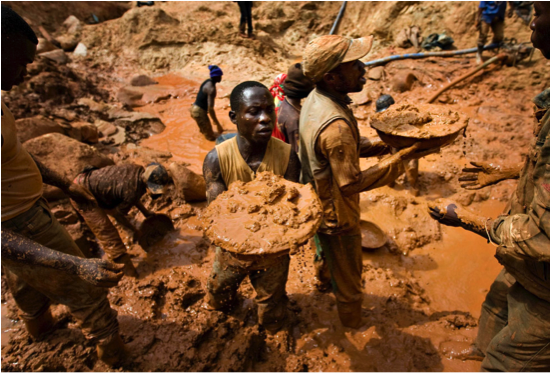
Gold occurs in several regions of Uganda, including the Mubende Gold Belt in central Uganda, the Busia area in the east, and parts of the Karamoja region in the north east. Production comes from a mix of artisanal and small-scale miners (ASM) and a smaller number of larger licensed operations. Uganda also hosts gold refineries that process material for export, and gold trading is regulated under Ugandan law — mining, dealing and export each require appropriate licences.
Forms of Gold Available in the Ugandan Market
Buyers in Uganda typically encounter several forms of gold:
- Raw gold — unrefined material as recovered from mining or alluvial workings
- Gold nuggets — naturally occurring pieces of placer or vein gold
- Gold dust — fine gold particles, common in alluvial concentrates
- Alluvial (river) gold — gold recovered from sediments and watercourses
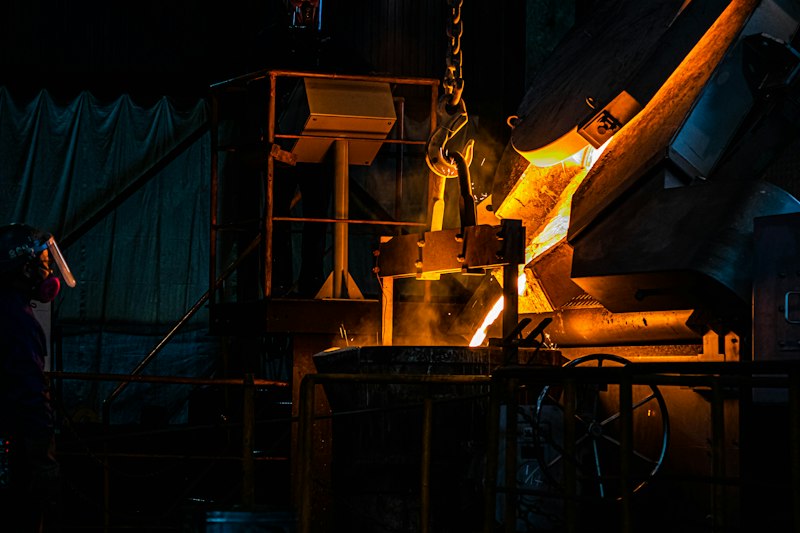
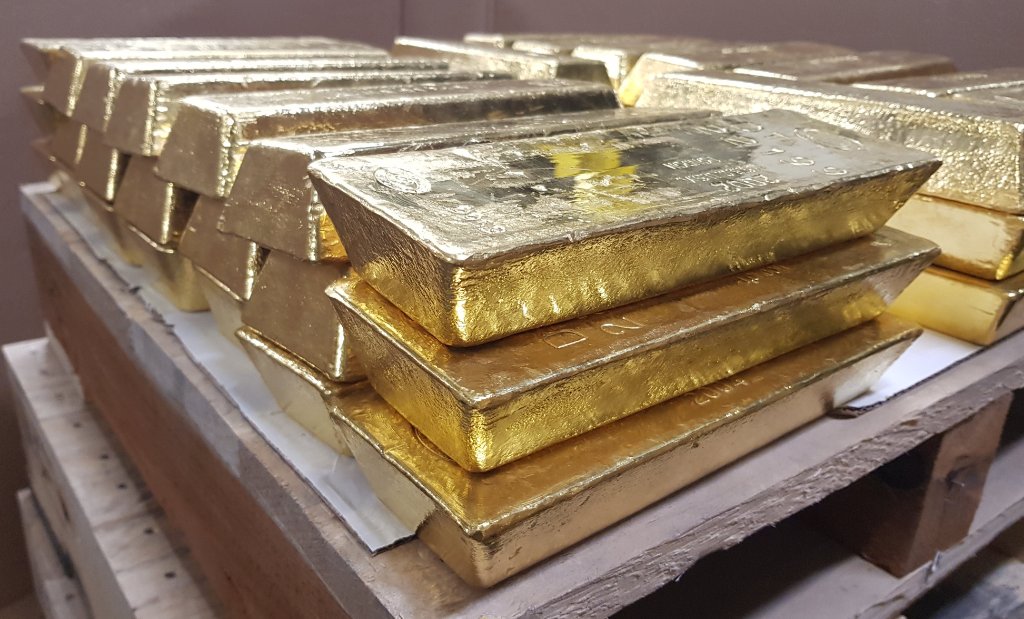
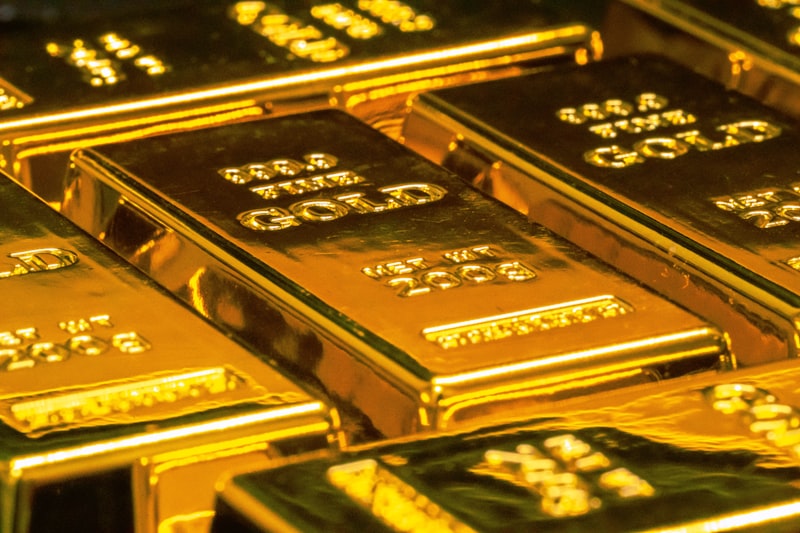
- Refined gold bars — smelted and refined bullion, typically 99.5%+ purity
Each form carries different verification requirements. Our guide to gold bars in Uganda covers bullion specifically, while buyers of raw material should read how gold is tested: assay, purity and fineness.
Raw Gold Versus Refined Gold
Raw gold is sold on the basis of its assayed gold content, not its total weight — a sample may contain gold plus silver, copper and other minerals. Refined gold, by contrast, is sold on weight and certified fineness. This distinction drives pricing: raw material is valued after refining losses and treatment charges, while refined bars trade close to international benchmark prices. See how gold prices are determined in Uganda for a full explanation.
How Professional Buyers Evaluate Gold
A professional purchase follows a sequence, not a handshake:
- Counterparty verification — confirm the seller's identity, registration and licences
- Provenance — establish where the gold originated and how it entered the supply chain
- Assay — determine purity through an accredited laboratory
- Weight — verified weighing on calibrated, certified scales
- Documentation — written agreement, certificates and receipts
- Payment and logistics — structured, traceable payment and compliant transport or export
Buyers new to African sourcing should review our professional gold buyer's checklist for Africa.
Documentation and Provenance
Responsible transactions generate a paper trail. Depending on the transaction, this may include the seller's identification, licences, provenance or origin documentation, the assay certificate, a commercial contract, and — for exports — customs and export documentation. Because requirements vary by transaction type and are subject to Ugandan law and applicable regulations, buyers should confirm current requirements with the relevant Ugandan authorities.
Red Flags When Buying Gold
Be cautious of offers that show these warning signs:
- Prices dramatically below the international market with no credible explanation
- Pressure to pay quickly or move to unofficial communication channels
- Refusal to allow independent assay or verified weighing
- Vague or unverifiable claims of "government connections" or "guaranteed" quantities
- Requests for advance payment without documentation or a verifiable counterparty
If an offer cannot survive independent due diligence, it should be declined. Read our genuine gold verification guide for a full ten-point checklist.
How Equator Gold Resources Can Assist
Equator Gold Resources works with buyers who want to source gold through legitimate, documented channels. We do not publish unverified inventory or guaranteed prices: availability is always subject to verification, and every enquiry goes through a due-diligence process covering provenance, assay and applicable regulations. Contact our team to discuss legitimate gold sourcing in Uganda.
Frequently Asked Questions
Where can I buy genuine gold in Uganda?
Genuine gold in Uganda is sourced through licensed dealers, registered artisanal and small-scale mining cooperatives, and refineries. Buyers should verify the seller's licences and request documentation confirming origin before any transaction, and should conduct independent due diligence.
How is gold verified in Uganda?
Gold is verified through weight measurement and purity testing — typically XRF (X-ray fluorescence) analysis or fire assay conducted by an accredited laboratory. Visual inspection alone cannot establish purity, and assay results should be documented in a certificate.
What documentation should a gold buyer request?
Buyers should request seller identification and company registration, applicable mining or dealing licences, proof of origin or provenance documentation, an assay certificate from a recognised laboratory, and a written commercial agreement. Export transactions additionally require the relevant export permits.
How is gold purity determined?
Gold purity is determined by assay — a laboratory analysis that measures the proportion of gold in a sample, expressed as karats (e.g. 24K) or fineness (e.g. 999.9). XRF testing gives a rapid estimate, while fire assay is the traditional reference method for definitive results.
Discuss Your Gold Sourcing Requirements
Interested in discussing legitimate gold sourcing, mining opportunities or African gold supply? Contact Equator Gold Resources to discuss your requirements and the applicable due-diligence process. Availability of gold is always subject to verification, and transactions are subject to applicable regulations.
About the Editorial Team
This article is published by the Equator Gold Resources Editorial Team for general educational purposes and does not constitute legal, tax, investment or professional advice. Gold transactions, mining, licensing, export, taxation, AML/KYC and documentation requirements differ by jurisdiction and change over time. Buyers and investors should confirm current requirements with the relevant government authorities in Uganda, the Democratic Republic of the Congo (DRC), South Sudan and other applicable jurisdictions, and seek advice from qualified legal, customs and assay professionals.