Key Takeaways
- Genuine gold is confirmed by process — assay, verified weighing, documentation and counterparty checks — never by trust or appearance.
- Independent assay at an accredited laboratory is the single most important step.
- Provenance and licensing documentation protect buyers legally and ethically.
- AML/KYC discipline is expected by banks and regulators on both ends of a transaction.
- Red flags — urgency, secrecy, below-market prices, refusal of testing — should end a negotiation, not delay it.
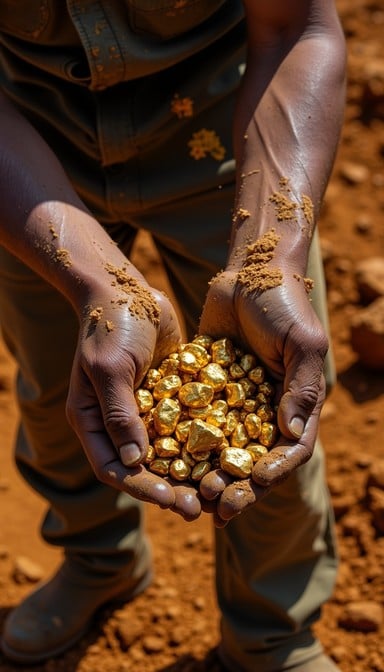
Every gold scam works the same way: the buyer skips a step. Genuine gold for sale in Uganda is real and available through legitimate channels — but identifying it is a process, not an instinct. This guide sets out the professional verification framework used by experienced buyers.
Why Authenticity Is a Process, Not a Test
No single test makes gold "genuine". Authenticity is established by a chain of evidence: the material tests true, the weight verifies, the documentation matches, the provenance makes sense, and the counterparty is who they claim to be. Break any link and the purchase is a gamble. The methods themselves are explained in how gold is tested.
The 10-Point Genuine Gold Verification Checklist
1. Verify seller identity. Government-issued identification, and — for companies — registration documents. Photograph and retain copies.
2. Verify the licence. Gold dealing and mining in Uganda require licences. Confirm the licence exists and is valid with the relevant authority — do not rely on the seller's documents alone.
3. Establish provenance. Where was the gold produced? A credible seller can explain the origin. "We cannot say" is not an answer.
4. Independent assay. Purity confirmed by an accredited laboratory — XRF screening plus fire assay for definitive results. Never buy on visual inspection.
5. Verified weight. Dry-basis weighing on calibrated, certified scales, witnessed and documented. Moisture and contamination inflate apparent weight — see gold dust.
6. Documentation package. Assay certificate, commercial agreement, receipts, provenance records, and — for export — the permits required under Ugandan law.
7. Pricing sanity. Compare the offer against the live international benchmark, adjusted for purity (how gold prices are determined). Dramatically below-market offers are bait, not bargains.
8. AML/KYC discipline. Provide and require proper identification and source-of-funds information. Your bank will expect it — and counterparties who resist it are telling you something.
9. Structured payment. Traceable payment, released against documented milestones (e.g. after assay). Never informal channels or advance payment to strangers.
10. Legal review. For significant transactions, have a Ugandan professional review the agreement — gold trading is subject to Ugandan law and applicable regulations.
Common Scams and Red Flags
- Urgency and secrecy — "another buyer is waiting", "keep this private"
- Refusal of testing — genuine sellers welcome independent assay
- Below-market pricing — the classic fraud hook
- Forged certificates — verify documents with the issuing laboratory or refinery directly
- Advance-payment requests — payment demanded before any verification
- Non-existent inventory — sellers who can never produce material for inspection
Each red flag independently justifies walking away. The full regional context is in how to buy gold in Africa safely, and the product-specific guides cover gold bars and raw nuggets.
Trustworthiness Runs in Both Directions
Professional sellers also verify buyers — AML/KYC is mutual. A counterparty who resists being verified, or who resists verifying you, is not ready for a legitimate transaction.
How Equator Gold Resources Works
We apply this checklist to our own sourcing and expect buyers to apply it to us: verified counterparties, documented provenance, independent assay, transparent benchmark-referenced pricing, and compliance with applicable Ugandan regulations. Availability is always subject to verification. To discuss genuine gold sourcing through a documented due-diligence process, contact our team.
Frequently Asked Questions
How can I buy genuine gold in Uganda?
Buy genuine gold by verifying the seller's identity and licences, insisting on independent assay before payment, weighing on calibrated scales, documenting the transaction in writing, and using traceable payment. Follow a written verification checklist for every purchase.
How do I know if a gold seller is legitimate?
A legitimate seller provides verifiable identification and licences, welcomes independent testing, explains pricing transparently against the international benchmark, provides provenance information, and accepts documented, traceable payment. Refusal of any of these is a red flag.
What is the most reliable test for gold authenticity?
Laboratory assay is the most reliable: XRF analysis gives rapid results, while fire assay remains the reference method for definitive purity determination. Density testing and acid tests are useful screens but do not replace laboratory assay for purchase decisions.
What are common gold scams in Uganda?
Common scams include fake or plated material, adulterated gold dust, forged certificates, price baiting far below market rates, advance-payment fraud, and offers that demand urgency and secrecy. All are defeated by independent verification before payment.
Discuss Your Gold Sourcing Requirements
Interested in discussing legitimate gold sourcing, mining opportunities or African gold supply? Contact Equator Gold Resources to discuss your requirements and the applicable due-diligence process. Availability of gold is always subject to verification, and transactions are subject to applicable regulations.
About the Editorial Team
This article is published by the Equator Gold Resources Editorial Team for general educational purposes and does not constitute legal, tax, investment or professional advice. Gold transactions, mining, licensing, export, taxation, AML/KYC and documentation requirements differ by jurisdiction and change over time. Buyers and investors should confirm current requirements with the relevant government authorities in Uganda, the Democratic Republic of the Congo (DRC), South Sudan and other applicable jurisdictions, and seek advice from qualified legal, customs and assay professionals.