Translate
Key Takeaways
- Natural gold nuggets form in placer and primary deposits and carry distinctive physical characteristics.
- Counterfeit nuggets exist — gold-plated brass, manufactured "nuggets" and fake river-stone claims are common.
- Density testing, acid-free non-destructive checks and XRF screening filter most fakes; fire assay confirms purity.
- A nugget's value rests on assayed purity — plus a collector premium only for genuine specimen pieces.
- Always verify provenance and the seller, and confirm applicable Ugandan licensing and documentation.
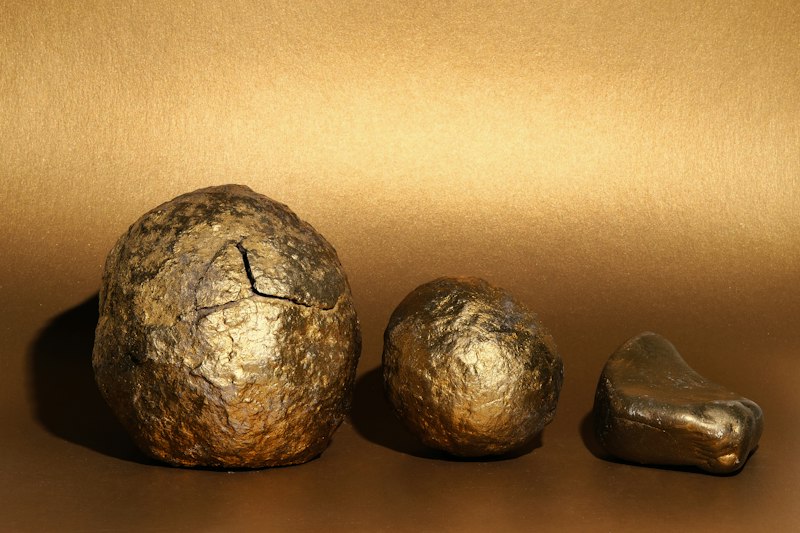
Gold nuggets occupy a special place in the market: they are natural, individual, and — when genuine — often carry a romance that refined bars do not. Uganda's alluvial goldfields have produced genuine nuggets for generations. But "raw gold nuggets for sale in Uganda" is also a phrase used heavily by counterfeiters. This guide explains how to tell the difference.
What Raw Gold Nuggets Are
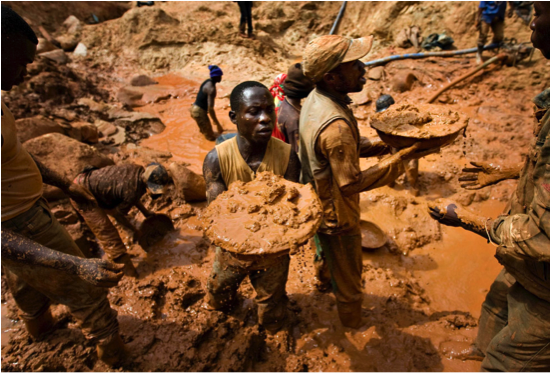
Nuggets are naturally occurring masses of placer or vein gold, freed from host rock by weathering and — in river settings — transported and rounded by water. Uganda's alluvial workings yield nuggets of varying sizes, typically mixed with finer gold and concentrates. See our river gold guide for how alluvial gold forms.
Natural Gold Characteristics
Genuine nuggets show:
- Dull-to-satin lustre — natural gold is not mirror-polished
- Irregular, individual shapes — no two nuggets look alike
- Varied colour — gold's hue shifts with its silver and copper content
- High density — a nugget feels notably heavy for its size
- Ductility — gold bends and flattens rather than shattering
Counterfeit Nuggets: What to Watch For
Common fakes in the East African market include:
- Gold-plated brass or copper castings — often moulded to look "nugget-like" and suspiciously uniform
- Manufactured fakes with pebbled, artificial textures
- Filled fakes — tungsten or lead cores under gold plating
- Misrepresented stones — iron pyrite or other minerals sold as gold
A seller offering many "identical" nuggets, or refusing independent testing, is presenting the classic counterfeit profile.
Density and Field Testing
Gold's density (19.3 g/cm³) is its fingerprint. A simple hydrostatic weighing — measuring weight in air versus water — flags most substituted-metal fakes. Non-destructive XRF screening at a testing point gives a rapid elemental read. None of these replace a professional assay: for the definitive methods, see how gold is tested.
Professional Assay and Purity
Natural nuggets are not pure. Depending on the deposit, nugget purity commonly ranges from roughly 70% to 95%+ gold. Purchase pricing therefore rests on the assay: the parcel's gold content times the benchmark price, with premiums only for genuine specimen-grade pieces. Understand the pricing logic in how gold prices are determined.
Provenance, Documentation and Due Diligence
A professional nugget purchase in Uganda should establish:
- Where and how the nuggets were recovered (provenance)
- The seller's identity and applicable licences
- An independent assay certificate for the lot
- A written agreement with verified weight and tested purity
- Traceable payment — never informal channels
Follow the full genuine gold verification checklist and the African gold buyer's checklist.
How to Avoid Counterfeit Gold Nuggets — Summary
- Trust density and assay, never appearance or salesmanship
- Test before payment — genuine sellers welcome testing
- Verify provenance and licences
- Document everything
- Walk away from urgency, secrecy and below-market pricing
Equator Gold Resources facilitates legitimate raw gold enquiries through a documented due-diligence process; availability is subject to verification. Contact our team to discuss your requirements.
Frequently Asked Questions
How can I verify raw gold nuggets?
Verify nuggets through physical inspection (colour, texture, weight feel), non-destructive density checks, XRF screening for gold content, and — for purchase decisions — fire assay by an accredited laboratory. Always buy with documentation of provenance and seller identity.
How do I avoid counterfeit gold nuggets?
Be sceptical of perfectly uniform or oddly shiny "nuggets", test density (gold is far denser than brass, copper or steel fakes), insist on independent assay before payment, and avoid sellers who pressure you or refuse testing. Genuine sellers accept verification.
Are gold nuggets pure gold?
No. Natural nuggets typically range from about 70% to 95%+ gold content depending on their deposit — the balance being silver, copper and other minerals. Purity is confirmed by assay, and pricing reflects the actual gold content.
Why are gold nuggets worth more than the same weight of refined gold?
Sometimes they are not. A nugget's melt value depends on assayed gold content. Only genuine specimen-grade nuggets — unusual shapes, provenance or collector appeal — command premiums, and such premiums are assessed by specialists.
Discuss Your Gold Sourcing Requirements
Interested in discussing legitimate gold sourcing, mining opportunities or African gold supply? Contact Equator Gold Resources to discuss your requirements and the applicable due-diligence process. Availability of gold is always subject to verification, and transactions are subject to applicable regulations.
About the Editorial Team
This article is published by the Equator Gold Resources Editorial Team for general educational purposes and does not constitute legal, tax, investment or professional advice. Gold transactions, mining, licensing, export, taxation, AML/KYC and documentation requirements differ by jurisdiction and change over time. Buyers and investors should confirm current requirements with the relevant government authorities in Uganda, the Democratic Republic of the Congo (DRC), South Sudan and other applicable jurisdictions, and seek advice from qualified legal, customs and assay professionals.