 Translate
Key Takeaways
- River gold is alluvial (placer) gold — gold freed from rock by weathering and concentrated in watercourse sediments.
- Alluvial gold typically appears as nuggets, flakes and fine dust recovered by washing sediments.
- Its purity and value are established by sampling and assay — never by appearance.
- Alluvial mining carries environmental responsibilities around water use and land disturbance.
- Buyers must verify provenance, licensing and applicable Ugandan regulations before purchase.
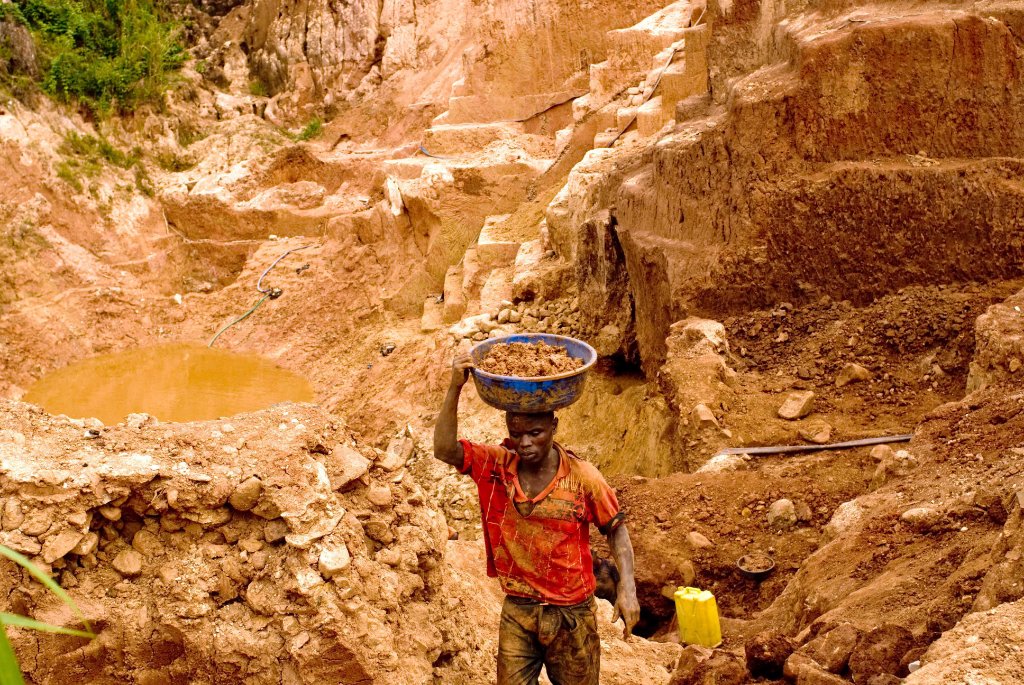
Some of Uganda's most photogenic gold is river gold — alluvial gold washed from sediments in the country's gold-bearing watercourses. Understanding how river gold forms and how it is recovered helps buyers appreciate both its value and its limitations.
What "River Gold" Actually Means
River gold is alluvial gold (also called placer gold): gold that geological processes have freed from rock and concentrated in sediments. Over time, gold-bearing rock weathers and erodes; the released gold — being dense and chemically durable — survives transport in streams and rivers and settles where the water slows: in gravels, channel beds and bars. Repeated over millennia, this natural concentration produces deposits worth recovering.
Characteristics of Alluvial Gold
Alluvial gold appears as:
- Nuggets — larger pieces, often rounded by transport
- Flakes and flat particles — thin gold beaten by water movement
- Fine gold and "dust" — small particles concentrated in black sands (see gold dust for sale in Uganda)
Because alluvial gold travels, it is found far from its source rock — and its purity reflects the composition of that original source, typically ranging from roughly 70% to 95%+ gold content. Verification methods for natural pieces are covered in raw gold nuggets and how gold is tested.
How River Gold Is Recovered
Artisanal and small-scale miners recover river gold by:
- Panning — washing sediment in a pan; gold settles to the bottom
- Sluicing — channelling water over riffled boxes that trap heavy particles
- Gravel pumping and washing — processing larger volumes of sediment
- Simple concentrators — mechanised recovery where capital allows
Recovered concentrate is then dried, cleaned and sold — usually through local traders who aggregate material for the market chain described in gold for sale in Uganda.
Sampling and Assay Before Purchase
Alluvial parcels are heterogeneous — a handful of nuggets cannot represent a bulk lot. Professional buying requires:
- Representative sampling of the whole parcel, witnessed
- Independent assay at an accredited laboratory
- Dry-basis weighing on calibrated scales (moisture inflates weight)
- Pricing on gold content — see how gold prices are determined
Environmental and Responsible Mining Considerations
Alluvial mining interacts directly with rivers: water use, sediment disturbance and land rehabilitation all matter. Legitimate operations observe the applicable Ugandan environmental requirements and maintain constructive relations with riverside communities. Buyers increasingly ask about provenance for exactly this reason — see responsible African gold sourcing.
Verification Before Purchase
Before buying river gold in Uganda: verify the seller and provenance, insist on witnessed sampling and independent assay, use documented agreements and traceable payment, and confirm applicable licensing — subject to Ugandan law. The full framework is in how to buy gold in Africa safely.
River gold availability is subject to verification at the time of enquiry. To discuss legitimate alluvial gold sourcing in Uganda, contact our team.
Frequently Asked Questions
What is river gold?
River gold is alluvial (placer) gold — gold that has been freed from its host rock by natural weathering and erosion, then transported and deposited in river sediments, where it concentrates because of its high density. It is recovered by washing sediments.
How is alluvial gold formed?
Gold-bearing rock erodes over geological time, releasing gold particles into rivers and streams. Because gold is dense and chemically resistant, it survives transport and accumulates in gravels, beds and bars where water slows — forming workable alluvial deposits.
Is river gold pure?
River gold purity varies by source area — commonly ranging from roughly 70% to 95%+ gold content. Purity is confirmed by assay. Alluvial gold is often finer than some hard-rock gold, but each parcel must be tested individually.
How is river gold mined?
Artisanal and small-scale miners recover river gold by panning, sluicing and washing gravels, sometimes with simple processing plants. Environmental regulations apply to water use and land disturbance, and mining requires appropriate licences under Ugandan law.
Discuss Your Gold Sourcing Requirements
Interested in discussing legitimate gold sourcing, mining opportunities or African gold supply? Contact Equator Gold Resources to discuss your requirements and the applicable due-diligence process. Availability of gold is always subject to verification, and transactions are subject to applicable regulations.
About the Editorial Team
This article is published by the Equator Gold Resources Editorial Team for general educational purposes and does not constitute legal, tax, investment or professional advice. Gold transactions, mining, licensing, export, taxation, AML/KYC and documentation requirements differ by jurisdiction and change over time. Buyers and investors should confirm current requirements with the relevant government authorities in Uganda, the Democratic Republic of the Congo (DRC), South Sudan and other applicable jurisdictions, and seek advice from qualified legal, customs and assay professionals.
