Key Takeaways
- Gold dust is fine gold particles from alluvial or processed material — its value is entirely in its assayed gold content.
- Appearance proves nothing: colour and shine cannot establish purity, and lots can be mixed with heavier minerals.
- Professional purchases rely on representative sampling and independent assay, not visual inspection.
- Moisture and contamination materially affect weight — drying and verified weighing are essential.
- Gold dust is not always available; availability is subject to verification, and transactions are subject to applicable Ugandan regulations.
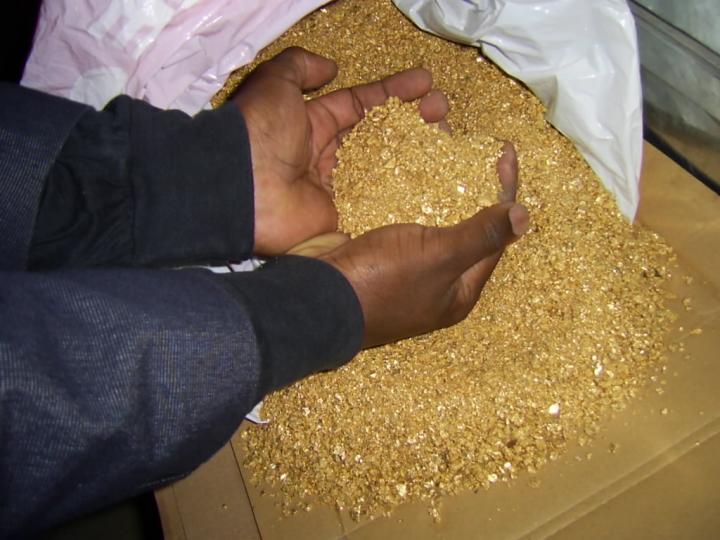
Gold dust is a staple of the East African gold trade — and, unfortunately, of gold fraud. Because fine gold particles can be mixed with other materials and their content cannot be judged by eye, "gold dust for sale" offers attract both legitimate buyers and opportunistic scammers. This guide explains what gold dust actually is and how a professional buyer evaluates it.
What Gold Dust Is
Gold dust consists of fine gold particles recovered from:
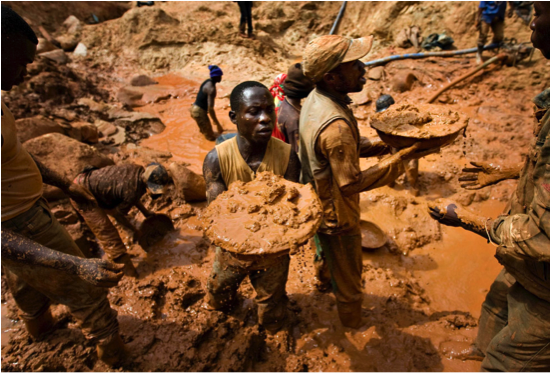
- Alluvial (river) workings — gold washed from sediments into concentrates. See our river gold guide.
- Crushed ore — particles liberated by milling and processing
- Concentrates — material processed to increase gold content before smelting
Dust is a semi-processed product: it contains gold, but also sand, heavy minerals and impurities. Its commercial value is defined solely by its assayed gold content.
Why Appearance Cannot Establish Purity
A pile of glittering dust proves nothing. Fine gold can be mixed with pyrite ("fool's gold"), black sand, mercury, or added heavy minerals that mimic the weight of gold. The colour of raw gold also varies naturally with its silver and copper content. This is why professional buyers insist on representative sampling and laboratory assay — see how gold is tested for the methods.
Sampling: The Most Important Step
Because gold dust is never uniform, the assay is only as good as the sample. Professional practice:
- Homogenise the lot as far as practicable
- Draw a representative sample — ideally by an independent sampler, with both parties present
- Split and seal sample portions, with signatures on seals
- Assay at an accredited, independent laboratory
- Document everything in the commercial agreement
Skipping the sampling discipline is where most gold dust losses occur.
Moisture, Contamination and Weight
Gold dust holds moisture, and moisture adds weight. Professional transactions specify dry-basis weighing: the material is dried and weighed on calibrated, certified scales, with weighing witnessed and documented. Contamination — mercury residues, for example — can also affect refinery terms and handling requirements.
Refining Gold Dust
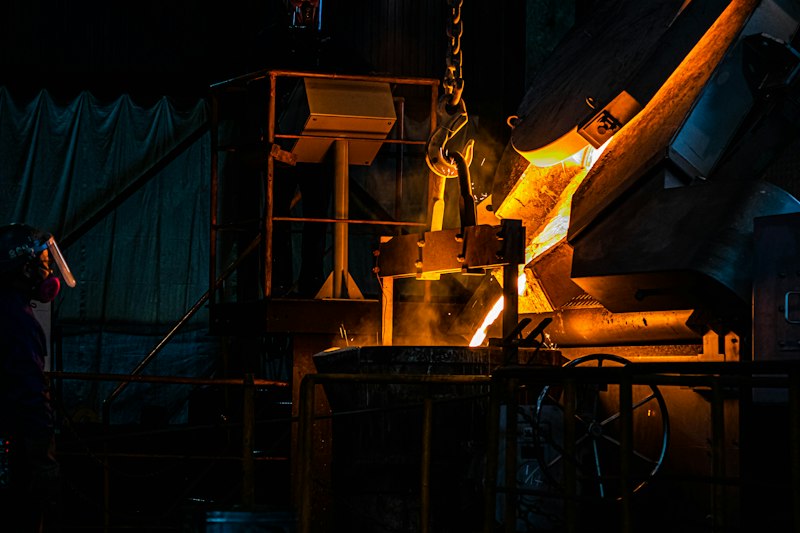
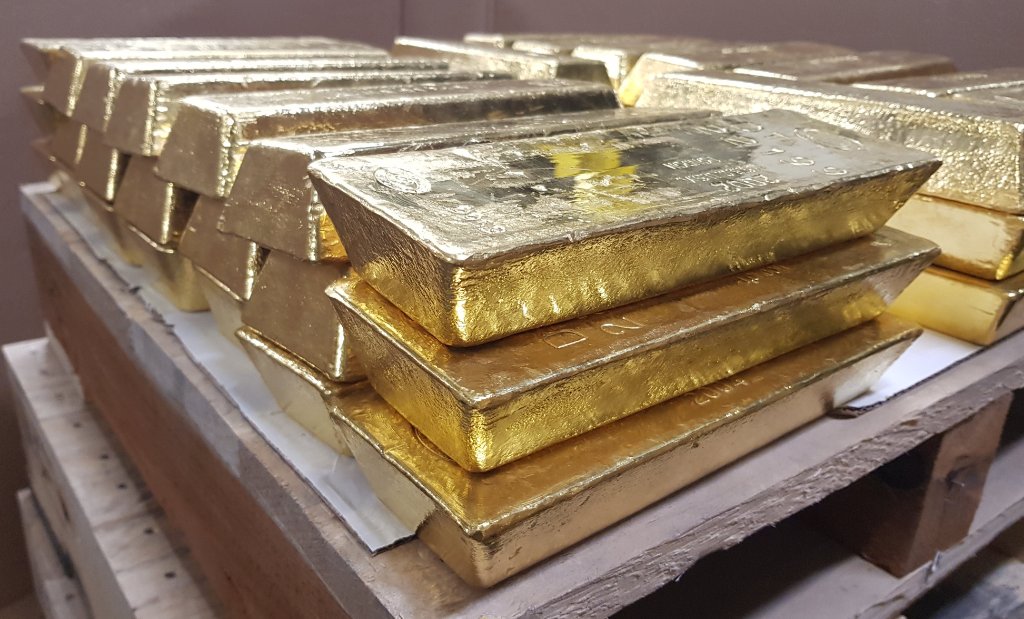
Dust is sold into the refining chain: it is smelted into doré and refined to bullion, with the refinery applying treatment charges and accounting for losses. Buyers price dust accordingly — assayed gold content minus refining costs — as explained in how gold prices are determined. Refinery settlement terms should be understood before purchase.
Documentation and Responsible Sourcing
As with any gold transaction in Uganda, buyers should verify the seller, the provenance of the material and the applicable licences, and use written agreements with traceable payment. Gold dust — like all gold — can be linked to irresponsible supply chains, so buyers should follow the principles in our responsible African gold sourcing guide.
A Note on Availability
Equator Gold Resources does not claim that gold dust is always available. Like all raw material, availability is subject to verification at the time of enquiry. Be wary of any seller who claims unlimited quantities of gold dust at below-market prices — this is the most common profile of advance-payment fraud. Follow the full safe buying checklist, and contact our team to discuss legitimate enquiries through a documented due-diligence process.
Frequently Asked Questions
What is gold dust?
Gold dust is fine, unrefined gold particles recovered from alluvial (river) deposits, crushed ore or processing concentrates. It typically contains gold mixed with sand, other minerals and impurities, and its value depends entirely on its assayed gold content.
How is gold dust valued?
Gold dust is valued by taking a representative sample, having it assayed by an accredited laboratory to determine gold content, and then applying the international benchmark price to the pure gold content, minus refining and treatment costs.
Can you tell gold dust purity by looking at it?
No. Visual appearance cannot establish purity. Gold dust can contain lower-grade material, be mixed with other heavy minerals, or even be adulterated. Only representative sampling and laboratory assay can determine actual gold content.
What should I check before buying gold dust?
Verify the seller and provenance, agree a representative sampling procedure, obtain an independent assay certificate, dry and weigh the material on calibrated scales, sign a written agreement, and use traceable payment — all subject to applicable regulations.
Discuss Your Gold Sourcing Requirements
Interested in discussing legitimate gold sourcing, mining opportunities or African gold supply? Contact Equator Gold Resources to discuss your requirements and the applicable due-diligence process. Availability of gold is always subject to verification, and transactions are subject to applicable regulations.
About the Editorial Team
This article is published by the Equator Gold Resources Editorial Team for general educational purposes and does not constitute legal, tax, investment or professional advice. Gold transactions, mining, licensing, export, taxation, AML/KYC and documentation requirements differ by jurisdiction and change over time. Buyers and investors should confirm current requirements with the relevant government authorities in Uganda, the Democratic Republic of the Congo (DRC), South Sudan and other applicable jurisdictions, and seek advice from qualified legal, customs and assay professionals.