Translate
Key Takeaways
- Gold prices are anchored to international benchmark (spot) prices, quoted in USD per troy ounce.
- There is no single "best" price — transaction prices differ by purity, form, quantity, documentation and logistics.
- Raw gold is valued on assayed gold content, not total weight; refined bars trade closer to benchmark prices.
- Advertised prices should always be independently verified — be sceptical of "guaranteed" below-market prices.
- Legitimate quotations can be compared by normalising to pure gold content, benchmark price, and all-in costs.
Searches for "the best gold prices in Uganda" often assume there is a single price list to find. In reality, gold is priced through a transparent, logical process anchored to international benchmarks — and understanding that process is what allows a buyer to identify a genuinely competitive quotation. This guide explains how gold pricing works in Uganda and how professional buyers evaluate offers.
The International Benchmark
All gold pricing starts with the international spot price, quoted in US dollars per troy ounce and published continuously by global bullion markets. Whatever the local market conditions in Uganda, no legitimate seller prices far below this benchmark for an extended period — doing so would mean selling at a loss. For raw versus refined pricing differences, see gold for sale in Uganda.
Spot Price Versus Transaction Price
The spot price refers to standardised, high-purity bullion in institutional markets. A buyer in Uganda pays a transaction price, built up from:
- The benchmark price for the pure gold content
- Purity adjustment — the gold content confirmed by assay
- Form of gold — raw material carries refining costs; bars carry certification value
- Treatment and refining charges for unprocessed material
- Transport, security and insurance
- Taxes, duties and regulatory costs as applicable under Ugandan law
- Seller margin and, for smaller parcels, handling costs
Purity and Assay: The Core Variable
Two lots of "one kilogram of gold" can differ substantially in value. A kilogram of 88%-purity raw gold contains 880 grams of pure gold; a kilogram of 99.9% refined bars contains 999 grams. Pricing always reduces to pure gold content — which is why an independent assay certificate is a precondition of any professional purchase. Learn more in how gold is tested.
Raw Gold Versus Gold Bars Pricing
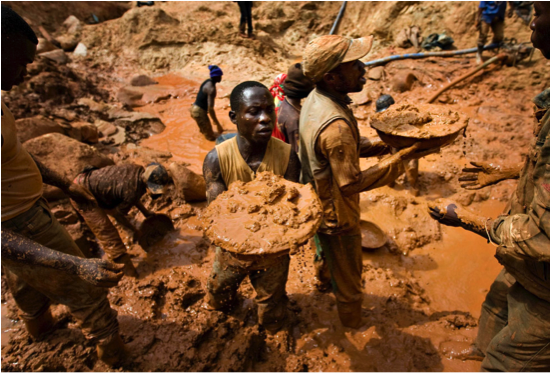
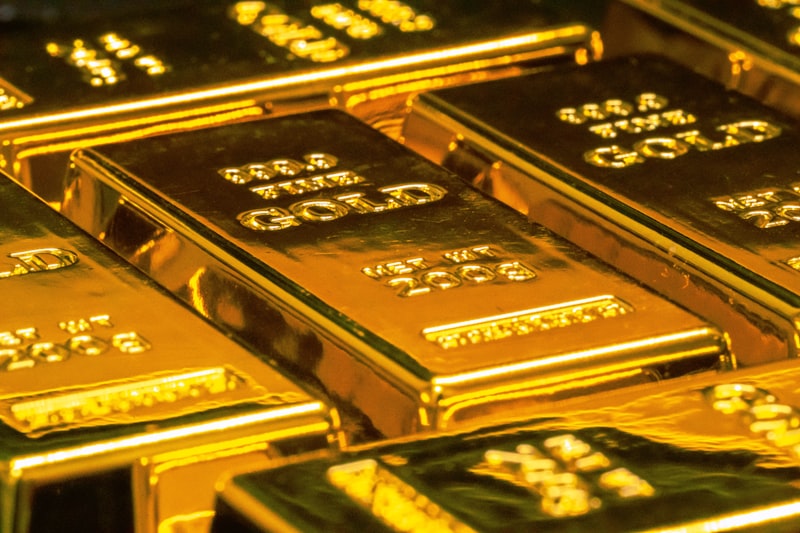
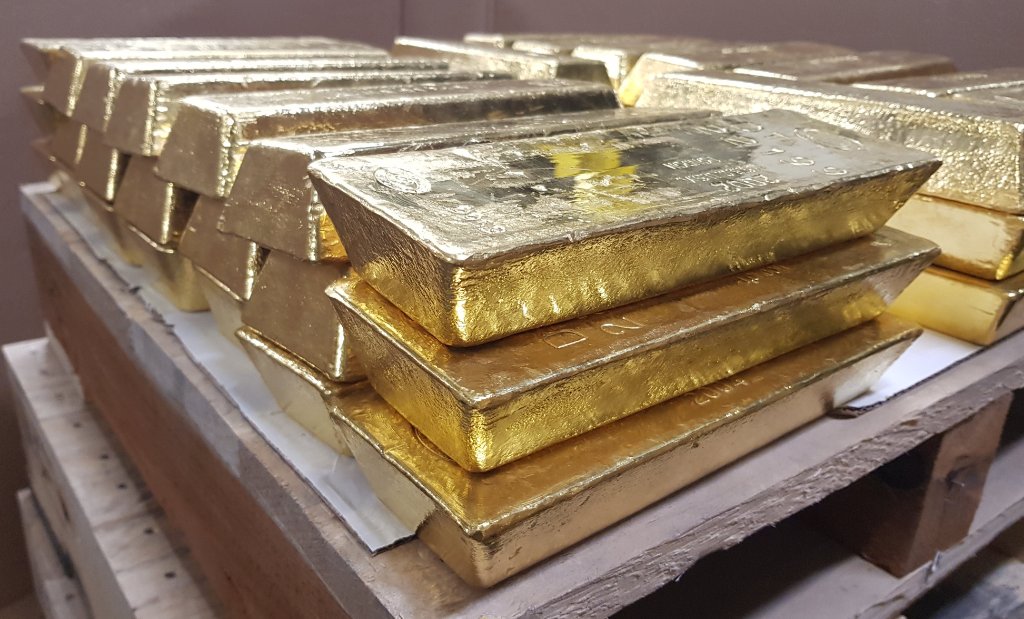
| Form | Typical basis of pricing | |---|---| | Gold dust | Assayed gold content, minus refining losses and treatment charges | | Raw nuggets | Assayed purity of the lot; premiums only for specimen-grade pieces | | Unrefined doré | Assayed gold content; refinery terms apply | | Refined bars | Weight × certified fineness, quoted close to spot |
Refining, Logistics and Regulatory Costs
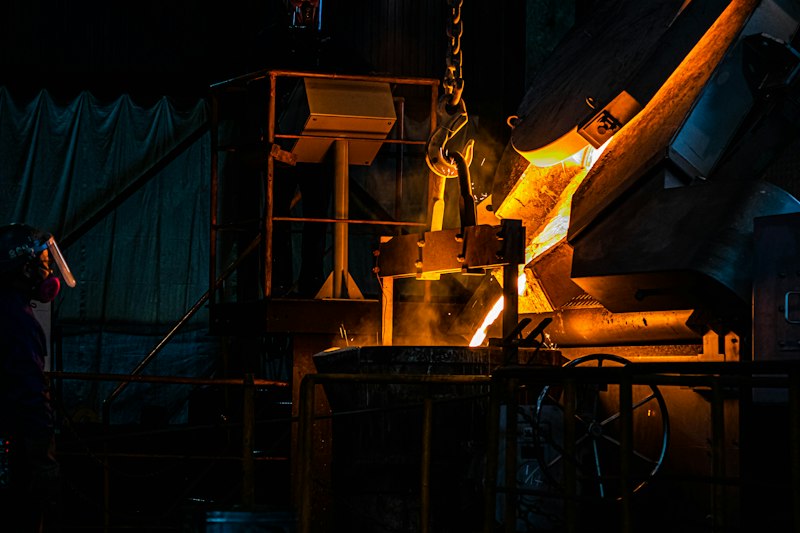
Raw gold must be smelted and refined before it can reach bullion markets, and treatment charges reduce the net value to a seller. Transport within Uganda, secure logistics, insurance, and applicable taxes, royalties and export fees all enter the final quotation. These costs vary transaction by transaction — subject to applicable Ugandan regulations, which buyers should confirm with the relevant authorities. Our Uganda gold export guide covers the export side.
Why Legitimate Gold Has No Single "Best" Price
Because every parcel differs in purity, form, quantity, documentation and logistics, legitimate quotations legitimately vary. What does not vary is this: a credible price is always explainable. A seller who cannot show how their price relates to the benchmark, the assay and the cost structure is either unprofessional or not offering genuine gold.
How Buyers Compare Quotations Professionally
- Convert each offer to pure gold content (verified weight × verified purity).
- Compare against the live international benchmark.
- Add all-in costs: treatment, refining, transport, taxes, documentation.
- Evaluate the documentation and compliance quality — a marginally cheaper offer without proper paperwork is not cheaper.
- Assess the counterparty — see how to buy gold in Africa safely.
A Note on Advertised Prices
Equator Gold Resources does not publish "guaranteed" gold prices, because honest pricing depends on the specific parcel, its assay and prevailing market conditions. Advertised prices on any platform should be independently verified against the live benchmark. If you are evaluating offers, contact our team to discuss transparent, benchmark-referenced pricing and the applicable due-diligence process.
Frequently Asked Questions
How are gold prices determined in Uganda?
Gold prices in Uganda are anchored to the international spot price (USD per troy ounce) and then adjusted for purity as confirmed by assay, the form of gold (raw, dust, nuggets or bars), refining and treatment costs, transport and security, taxes and duties, and seller and buyer margins.
Why do different gold sellers in Uganda quote different prices?
Because each seller's costs and material differ: purity and form of the gold, refining requirements, logistics, regulatory costs and margin expectations all vary. A quotation far below the international benchmark without a credible explanation is a red flag.
Is there a fixed official gold price in Uganda?
No. The international spot price is the common benchmark, but the final transaction price depends on purity, quantity, documentation and logistics. Sellers advertising one universal fixed price, or prices guaranteed far below the market, should be treated with caution.
How do I compare two gold quotations professionally?
Normalise both quotations to pure gold content (weight × verified purity), compare each against the current international benchmark price, and add all treatment, refining, transport, tax and documentation costs. The all-in cost per ounce of pure gold is the only fair basis for comparison.
Discuss Your Gold Sourcing Requirements
Interested in discussing legitimate gold sourcing, mining opportunities or African gold supply? Contact Equator Gold Resources to discuss your requirements and the applicable due-diligence process. Availability of gold is always subject to verification, and transactions are subject to applicable regulations.
About the Editorial Team
This article is published by the Equator Gold Resources Editorial Team for general educational purposes and does not constitute legal, tax, investment or professional advice. Gold transactions, mining, licensing, export, taxation, AML/KYC and documentation requirements differ by jurisdiction and change over time. Buyers and investors should confirm current requirements with the relevant government authorities in Uganda, the Democratic Republic of the Congo (DRC), South Sudan and other applicable jurisdictions, and seek advice from qualified legal, customs and assay professionals.