Translate
Key Takeaways
- Africa is a major gold-producing continent, with significant output across West, East, Central and Southern Africa.
- African gold supply chains range from large industrial mines to artisanal and small-scale mining (ASM) networks.
- Sourcing practices differ by country: licensing, export regimes, taxes and certification requirements are jurisdiction-specific.
- Professional sourcing rests on verified counterparties, independent assay, documented provenance and compliant logistics.
- Equator Gold Resources focuses on Uganda, the DRC and South Sudan — not every African market.
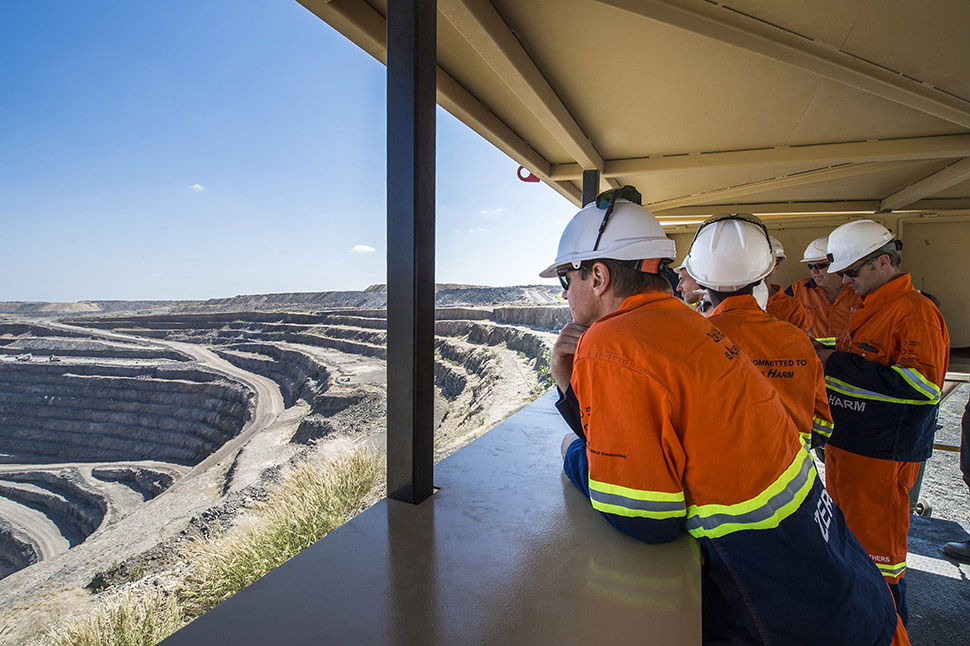
Africa is one of the world's most important gold-producing continents, supplying a substantial share of global output through a mix of industrial mines, artisanal and small-scale mining (ASM), and a growing refining sector. For international buyers, African gold sourcing offers genuine opportunity — and genuine complexity. This guide explains the landscape.
African Gold-Producing Regions
- West Africa — Ghana, Mali, Burkina Faso and neighbours host major industrial gold belts alongside significant ASM activity
- East Africa — Uganda, Tanzania, Kenya and South Sudan feature greenstone-hosted and alluvial gold, with active ASM communities
- Central Africa — the Democratic Republic of the Congo (DRC) is a major producer, notably Ituri and the Kivus
- Southern Africa — South Africa and Zimbabwe combine historic deep-level mines with substantial production
For focused guides see gold for sale in Uganda, gold for sale in the DRC and gold for sale in South Sudan.
How African Gold Supply Chains Work
Gold flows from production to international buyers through several channels:
- Industrial mines — sell doré to refineries under commercial agreements
- ASM networks — artisanal miners sell to local buying agents or licensed trading houses, which aggregate and sell to refineries or exporters
- Licensed traders and exporters — consolidate material, arrange certification and export
- Refineries — process raw gold into bullion for international markets
Each link has its own licensing and documentation requirements, which differ by country.
Cross-Border Trade and Regional Dynamics
African gold moves across borders — sometimes formally, with certification and customs documentation, and sometimes informally, outside regulated channels. The formal trade is what professional buyers participate in: it creates the provenance record that banks, refiners and regulators require. Informal trade, by contrast, carries legal, reputational and ethical risks that no serious buyer should accept.
Verification and Due Diligence
Professional sourcing discipline, wherever in Africa you buy:
- Counterparty verification — identity, registration, licences
- Provenance — documented chain of custody from production to sale
- Assay — independent purity verification (how gold is tested)
- Weight — calibrated, witnessed weighing
- Contracts and payment — documented terms, traceable funds, AML/KYC compliance
The complete framework is in our professional gold buyer's checklist for Africa.
Export Regulations Vary by Country
There is no single "African" export regime. Uganda, the DRC, Ghana and South Sudan each operate distinct licensing, certification, royalty and customs systems — and these change over time. Buyers must confirm current requirements with the relevant national authorities and qualified local professionals for each transaction.
Responsible Sourcing
Responsible African gold sourcing demands attention to human rights, environmental practice, and supply-chain due diligence, especially where ASM is involved. International guidance — including the OECD Due Diligence Guidance — sets the reference standard. See our responsible gold supply chains guide.
Scope Note: Where Equator Gold Resources Operates
We do not claim access to every African market. Equator Gold Resources focuses on Uganda, the Democratic Republic of the Congo (DRC) and South Sudan, where our sourcing and due-diligence processes apply. Availability of gold in any market is subject to verification. For country-specific opportunities, see gold mines for hire in Uganda, in the DRC and in South Sudan. Contact our team to discuss legitimate sourcing enquiries.
Frequently Asked Questions
How does gold sourcing work in Africa?
Gold is sourced in Africa either directly from producing mines and licensed buying centres, from artisanal and small-scale mining networks through aggregators, or via refineries. Professional sourcing requires verifying the counterparty, documenting provenance, independently assaying the gold, and complying with each country's licensing and export regulations.
Which African countries produce the most gold?
Major African gold producers include Ghana, Sudan, Mali, Burkina Faso, South Africa, Tanzania, Zimbabwe and the Democratic Republic of the Congo (DRC). Production rankings shift year to year; buyers should consult current data from sources such as the World Gold Council.
How do I verify an African gold supplier?
Verify registration and licences, request references, confirm the physical existence of operations where claimed, insist on independent assay before payment, use documented contracts and traceable payment, and apply AML/KYC checks. See our full African gold buyer's checklist.
Are gold export rules the same across Africa?
No. Licensing, certification, taxes and export procedures differ by country and change over time. Each transaction must comply with the specific laws of the producing and exporting country — buyers should confirm current requirements with the relevant authorities.
Discuss Your Gold Sourcing Requirements
Interested in discussing legitimate gold sourcing, mining opportunities or African gold supply? Contact Equator Gold Resources to discuss your requirements and the applicable due-diligence process. Availability of gold is always subject to verification, and transactions are subject to applicable regulations.
About the Editorial Team
This article is published by the Equator Gold Resources Editorial Team for general educational purposes and does not constitute legal, tax, investment or professional advice. Gold transactions, mining, licensing, export, taxation, AML/KYC and documentation requirements differ by jurisdiction and change over time. Buyers and investors should confirm current requirements with the relevant government authorities in Uganda, the Democratic Republic of the Congo (DRC), South Sudan and other applicable jurisdictions, and seek advice from qualified legal, customs and assay professionals.