Translate
Key Takeaways
- "Mines for hire" is a commercial shorthand — the real question is which legal structure applies: lease, licence, concession or operating agreement.
- Mineral rights in Uganda are granted and administered under Ugandan law; ownership and licence status must be independently verified.
- Geological assessment, production history and infrastructure determine whether a site justifies investment.
- Environmental compliance and land/community agreements are prerequisites, not afterthoughts.
- Investors should verify ownership and mineral rights independently before any commitment.
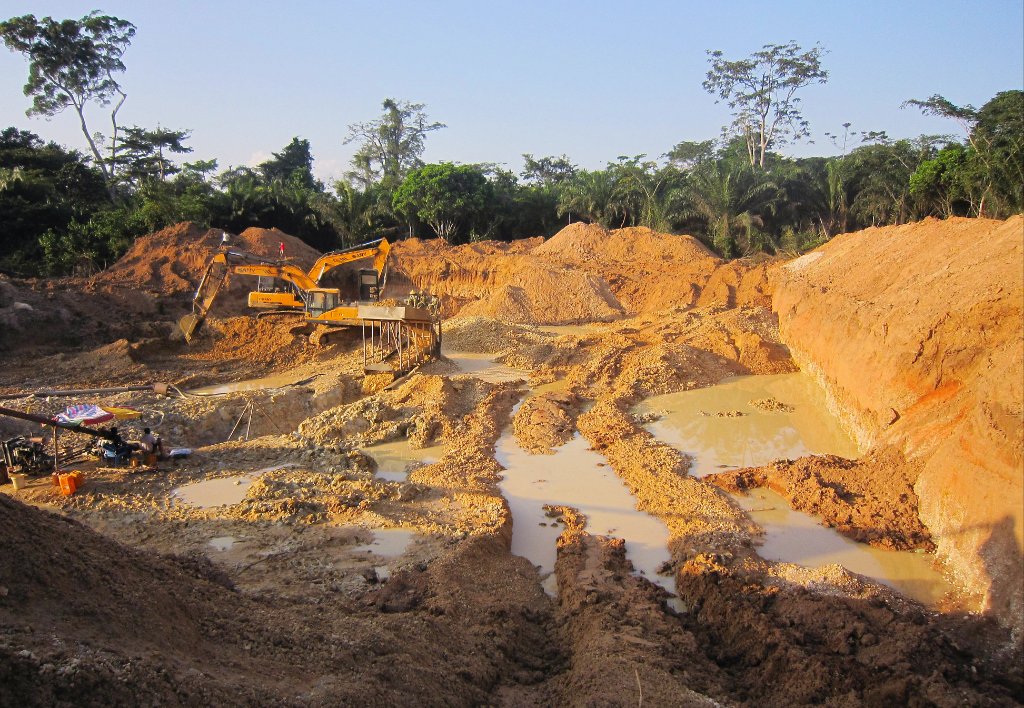
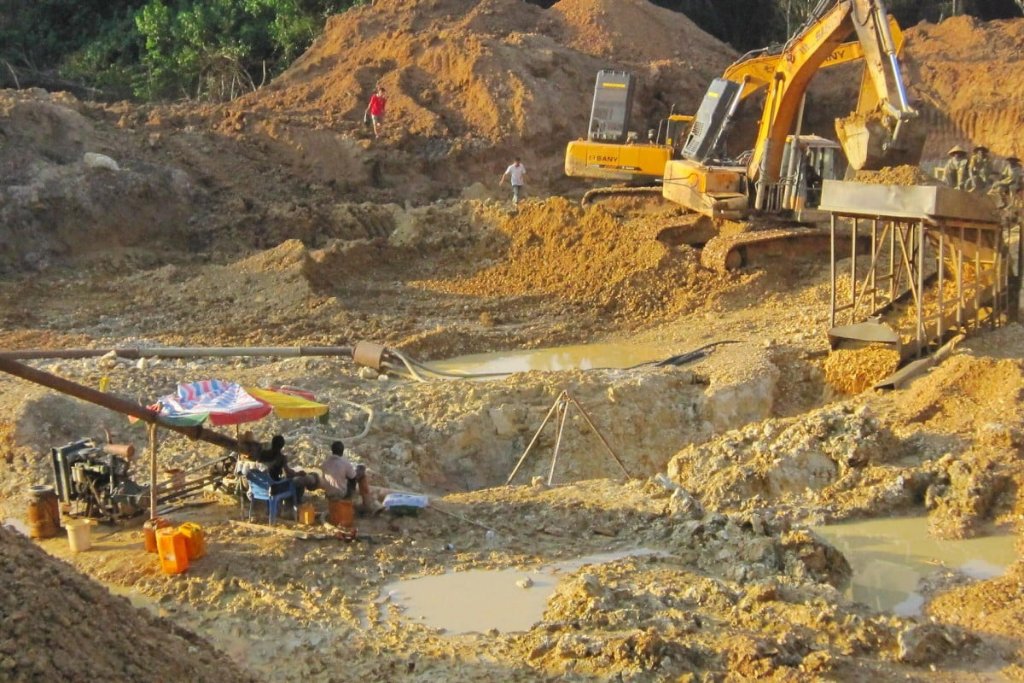
"Gold mines for hire in Uganda" is a phrase that circulates widely in mining investment circles. It can describe legitimate commercial structures — and it can describe informal arrangements with serious legal exposure. This guide explains what the phrase can actually mean, and the due diligence investors and operators should complete before committing funds.
What "Mine for Hire" Can Mean Commercially
There is no single legal product called a "mine for hire". In practice the term covers:
- Mining lease arrangements — acquiring or sub-leasing rights under an existing mining lease
- Licence operating agreements — contracting to operate on a licence held by another party
- Tribute arrangements — paying the licence holder a share of production for the right to mine
- Concession partnerships — joint ventures with licence holders on defined areas
The critical question in every case: what does the underlying licence actually permit? Rights in Ugandan minerals are administered under Ugandan law (including the Mining and Minerals Act and related regulations), and terms that conflict with the licence or statute may be unenforceable.
Lease, Licence, Concession and Operating Agreements — The Differences
| Structure | What it grants | Key risk | |---|---|---| | Mining lease (assignment/sub-lease) | Production rights on a defined area, subject to statute | Transfer may require government consent | | Operating agreement | Contractual right to operate for the licence holder | Depends entirely on licence terms and holder's capacity | | Tribute arrangement | Production share paid to rights holder | Often informal; legal enforceability varies | | Concession/joint venture | Partnership structure over a licensed area | Partner's licence validity and claims must be verified |
Mineral Rights and Land Rights Are Different Things
In Uganda, mineral rights and land rights are governed separately: a mining licence does not automatically confer surface rights, and landowners or lawful occupiers may hold rights that affect access and operations. Investors must therefore verify both the mineral title and the land position — including community agreements where customary tenure applies. These requirements are subject to applicable Ugandan law and should be confirmed with qualified Ugandan legal counsel.
Geological and Operational Due Diligence
Before any hire or lease commitment, establish:
- Geological assessment — what is actually known about the deposit, from what data (drilling? pitting? only artisanal workings?)
- Production history — verifiable records of past output, where they exist
- Existing infrastructure — plant, equipment, water, power, access
- Operational status — active, suspended, or lapsed; and why
- Cost structure — royalties, taxes, community obligations and operating costs
Be sceptical of grade and tonnage claims without verifiable data — see our guide to gold discovery claims in Eastern Uganda for the terminology.
Environmental and Community Requirements
Mining in Uganda requires environmental compliance, including impact assessment and permitting under the applicable environmental laws. Community relations are equally material: operations without genuine local agreements face disruption risk. Treat these as deal prerequisites, not formalities.
The Due Diligence Sequence
- Independently verify the licence: type, holder, status, area, expiry
- Review the geological data and visit the site
- Verify land and community arrangements
- Assess environmental compliance status
- Structure the deal with Ugandan mining counsel
- Agree a written agreement consistent with the licence and statute
Compare structures across the region in gold mines for hire in the DRC and South Sudan, and review the broader African gold investment picture.
How Equator Gold Resources Can Help
We do not list fictional mines or claim specific sites are available unless verified. Where opportunities exist in Uganda, we present them with the evidence a professional investor needs and support the due-diligence process. Contact our team to discuss mining opportunities in Uganda.
Frequently Asked Questions
What does "gold mine for hire" mean in Uganda?
In practice it can refer to several structures: a mining lease assignment or sub-lease, an operating agreement on an existing licence, a tribute arrangement, or a partnership with a licence holder. Each structure carries different rights and obligations under Ugandan law, and the actual licence terms govern what is permitted.
How do I verify a gold mine or licence in Uganda?
Verify the licence type, holder, status and boundaries with the relevant Ugandan government authority (the mining administration under the Ministry of Energy and Mineral Development), review the licence documents directly, and engage a Ugandan mining lawyer to confirm the holder can lawfully transfer or share rights.
What due diligence should investors complete before hiring or leasing a mine?
Independent verification of the licence and land rights, geological and resource review, production and cost history where available, environmental compliance status, community agreements, security of tenure, and a review of taxes and royalties under the applicable Ugandan fiscal regime.
Are there risks in informal mine-hire arrangements?
Yes. Arrangements not documented in or permitted by the underlying licence can be void, exposing investors to loss of capital and legal liability. Informal agreements with artisanal workings that lack proper licensing carry particular legal risk.
Discuss Your Gold Sourcing Requirements
Interested in discussing legitimate gold sourcing, mining opportunities or African gold supply? Contact Equator Gold Resources to discuss your requirements and the applicable due-diligence process. Availability of gold is always subject to verification, and transactions are subject to applicable regulations.
About the Editorial Team
This article is published by the Equator Gold Resources Editorial Team for general educational purposes and does not constitute legal, tax, investment or professional advice. Gold transactions, mining, licensing, export, taxation, AML/KYC and documentation requirements differ by jurisdiction and change over time. Buyers and investors should confirm current requirements with the relevant government authorities in Uganda, the Democratic Republic of the Congo (DRC), South Sudan and other applicable jurisdictions, and seek advice from qualified legal, customs and assay professionals.