Key Takeaways
- Eastern Uganda — including the Busia gold belt and surrounding areas — has documented gold occurrences and active artisanal mining.
- "Gold occurrence", "discovery", "prospect", "exploration target", "mineral resource" and "proven reserve" are progressively more rigorous categories.
- A reported discovery is not a commercially proven deposit — resource and reserve estimates require systematic drilling and independent evaluation.
- Investors should verify geological reports, licences and historical data before committing funds.
- Mining and exploration in Uganda are subject to licensing under applicable Ugandan law.
News of a "gold discovery in Eastern Uganda" travels fast — on social media, in mining circles, and in investment discussions. But exploration language is technical and often misunderstood. This guide explains what gold discoveries in Eastern Uganda actually mean, the terminology used by geologists, and what buyers and investors should verify before acting on any report.
Eastern Uganda's Geological Context
Eastern Uganda forms part of the broader geological framework of the East African region, where gold is associated with greenstone belts and structurally controlled mineralisation — similar in style to deposits found across Tanzania, Kenya and the DRC. The Busia gold belt near the Kenyan border is the best-known eastern gold area, with documented artisanal and small-scale mining activity. Elsewhere in the east, occurrences have been recorded by the Uganda Geological Survey over decades.
Artisanal Mining Versus Commercial Deposits
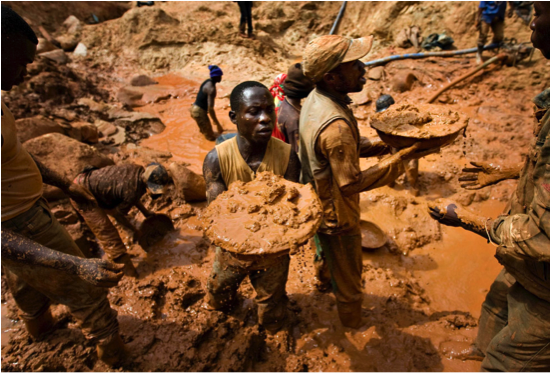
Artisanal and small-scale mining (ASM) in Eastern Uganda proves the presence of gold — miners recover gold where it occurs near the surface, often from alluvial workings or shallow pits. But ASM activity does not, by itself, demonstrate a large, commercially mineable deposit. Commercial development requires systematic exploration: mapping, geochemical sampling, geophysics, drilling and resource estimation. For the market side, see gold for sale in Uganda.
The Language of Exploration — Defined
These terms are progressively more rigorous. Knowing them protects you from exaggerated claims:
| Term | Meaning | Rigour | |---|---|---| | Gold occurrence | Gold identified in samples at a location | Lowest | | Discovery | Confirmation of gold of potential economic interest | Early-stage | | Prospect | A target warranting further exploration | Early-stage | | Exploration target | A conceptual tonnage/grade range | Indicative only | | Mineral resource | Gold quantified with reasonable confidence (inferred, indicated, measured) | Moderate — but not yet proven economic | | Reserve (proven/probable) | Economically mineable part of a resource, proven by studies | Highest |
A reported "discovery" in Eastern Uganda is therefore exploration news, not proof of a mine — and any claim of large "reserves" without published, standard-compliant estimates should be treated sceptically.
Exploration Versus Confirmed Commercial Reserves
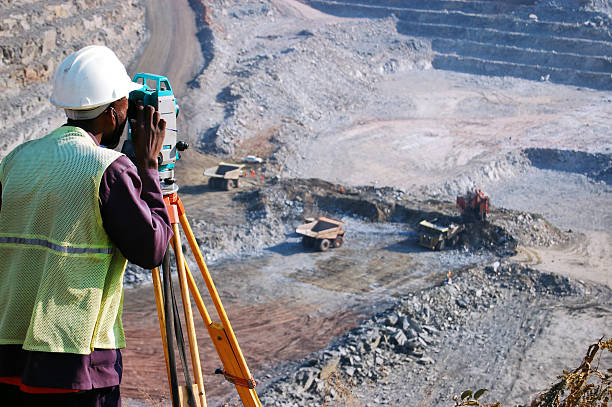
Turning a discovery into a reserve takes years and significant capital: drilling campaigns, assaying by accredited laboratories, independent resource estimation under standards such as JORC or NI 43-101, scoping and feasibility studies, environmental and social impact assessments, and permitting under the applicable Ugandan mining legislation. Very few discoveries complete this journey. When you hear of a discovery, the professional questions are: Who drilled it? What were the assay results? Are results published under a recognised standard?
What Investors Should Verify
- The licence: does the holder have valid exploration or mining rights from the relevant Ugandan authority?
- The data: drilling results, assay certificates and resource estimates — and whether they follow recognised standards
- The history: many "new" discoveries revisit areas mined or explored decades ago
- The claims: beware of specific tonnage or grade claims without a standard-compliant resource statement
- The team: qualified persons and reputable technical advisers
- Independent advice from professionals familiar with Ugandan mining law
Investors considering mine leasing rather than exploration should read gold mines for hire in Uganda.
How Equator Gold Resources Views Exploration
We do not publish invented discoveries, tonnages or reserve figures. Where exploration and mining opportunities exist, we describe them with the evidence available and direct interested parties through a documented due-diligence process. If you are evaluating gold opportunities in Eastern Uganda, contact our team to discuss your requirements.
Frequently Asked Questions
Where is gold found in Eastern Uganda?
Gold occurrences and artisanal mining are documented in Eastern Uganda, including the Busia area near the Kenya border and other greenstone-associated deposits. Confirmed commercial deposits, however, require systematic exploration, drilling and resource estimation under recognised reporting standards.
Does a reported gold discovery mean there is a mineable deposit?
No. A "discovery" typically means gold has been identified in samples or workings — but commercial viability requires systematic drilling, resource estimation, and technical and economic studies. Many discoveries never become mines.
What is the difference between a mineral resource and a reserve?
A mineral resource is gold identified with reasonable confidence (inferred, indicated or measured). A reserve is the economically mineable portion of a resource, proven by technical and economic studies under standards such as JORC or NI 43-101. A reserve is a far more rigorous claim than a resource.
What should I check before investing in a Ugandan gold project?
Verify the exploration licence and holder, review drilling and assay data and whether resources are stated under a recognised standard, confirm land and community arrangements, understand environmental requirements, and obtain independent technical and legal advice familiar with Ugandan mining law.
Discuss Your Gold Sourcing Requirements
Interested in discussing legitimate gold sourcing, mining opportunities or African gold supply? Contact Equator Gold Resources to discuss your requirements and the applicable due-diligence process. Availability of gold is always subject to verification, and transactions are subject to applicable regulations.
About the Editorial Team
This article is published by the Equator Gold Resources Editorial Team for general educational purposes and does not constitute legal, tax, investment or professional advice. Gold transactions, mining, licensing, export, taxation, AML/KYC and documentation requirements differ by jurisdiction and change over time. Buyers and investors should confirm current requirements with the relevant government authorities in Uganda, the Democratic Republic of the Congo (DRC), South Sudan and other applicable jurisdictions, and seek advice from qualified legal, customs and assay professionals.