Key Takeaways
- Africa is a major gold-producing continent; Uganda, the DRC and South Sudan each offer distinct sourcing and investment profiles.
- Gold reaches buyers as raw gold, nuggets, dust and bars — each with its own verification and pricing logic.
- The pillars of safe participation: verified counterparties, independent assay, documented provenance and compliant logistics.
- Mining opportunities (leases, concessions, operating agreements) demand legal and technical due diligence.
- Returns are never guaranteed: regulation, price volatility and fraud are real risks demanding disciplined process.
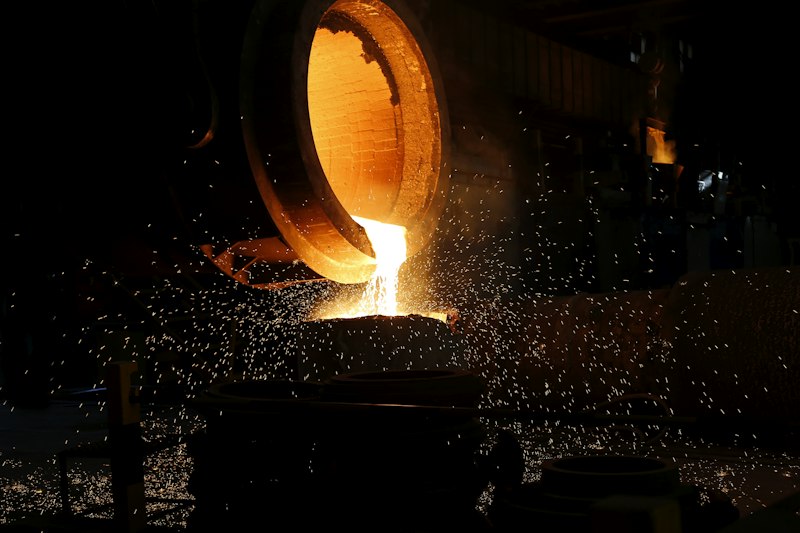
This pillar guide connects the full Equator Gold Resources knowledge base: the African gold market, the forms of gold and how they are priced, verification, mining opportunities, regulation, and the due-diligence discipline that separates successful participation from expensive mistakes.
The African Gold Market
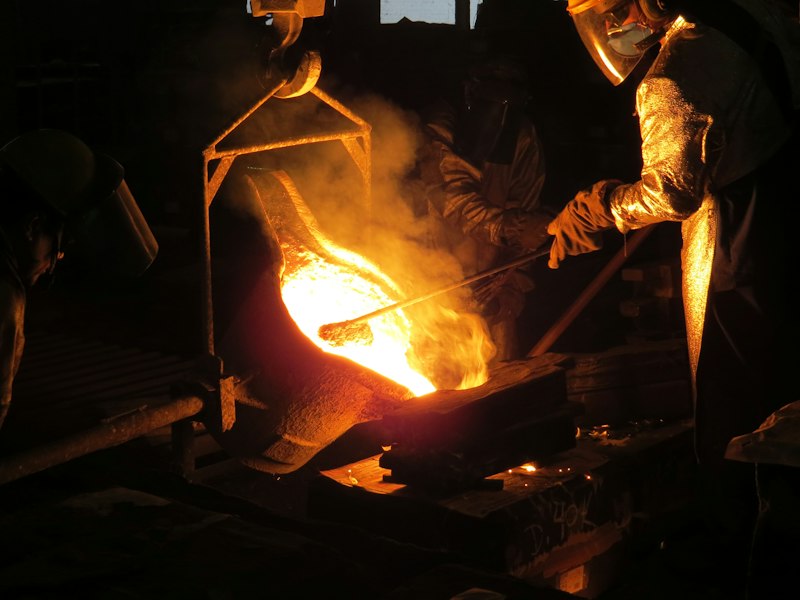
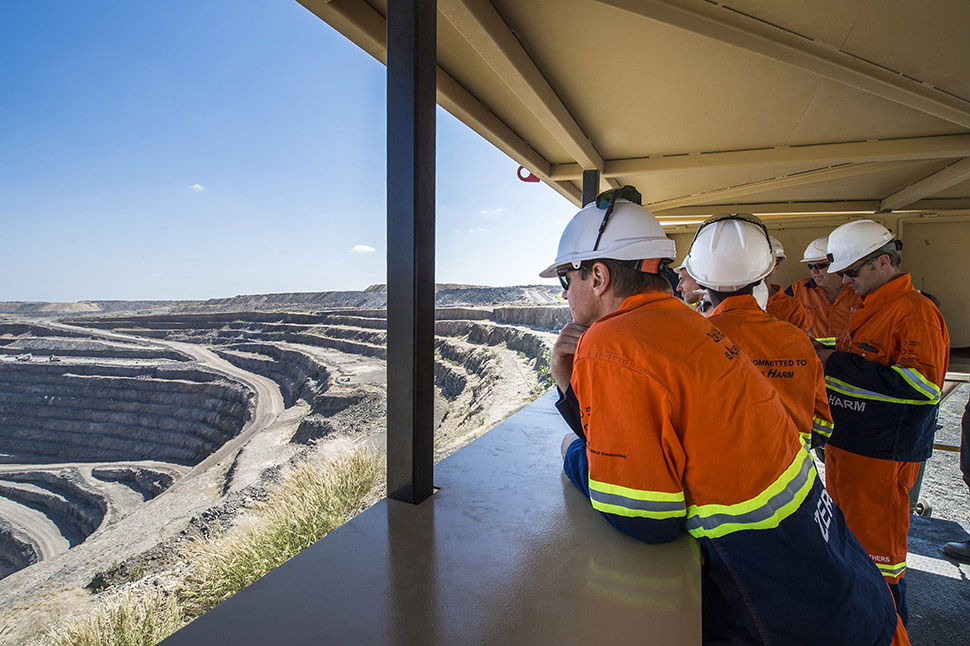
Africa produces a substantial share of the world's gold, from industrial-scale mines across the continent to the artisanal and small-scale (ASM) networks that dominate East and Central African supply. The market spans:
- West Africa — major industrial belts (Ghana, Mali, Burkina Faso)
- East Africa — Uganda, Tanzania, Kenya and South Sudan; alluvial and greenstone gold with strong ASM sectors
- Central Africa — the DRC, one of the continent's largest producers
- Southern Africa — South Africa and Zimbabwe's historic deep-level and newer deposits
Country deep-dives: gold for sale in Uganda · gold for sale in the DRC · gold for sale in South Sudan · gold for sale in Africa.
Forms of Gold and How Each Is Priced
| Form | Pricing basis | Deep-dive | |---|---|---| | Gold bars | Certified weight × fineness, near spot | Bars guide | | Raw gold / doré | Assayed gold content minus treatment | DRC forms comparison | | Gold nuggets | Assayed purity + specimen premium if genuine | Nuggets guide | | Gold dust | Assayed content; sampling discipline critical | Gold dust guide | | River/alluvial gold | Assayed content; environmental provenance matters | River gold guide |
Pricing in every case anchors to the international benchmark — the logic is explained in how gold prices are determined. No legitimate seller quotes far below it for long.
Verification: The Non-Negotiable
Purity is established by assay — XRF screening plus fire assay for settlement — never by appearance. The methods are explained in how gold is tested, and the full purchase framework in the 14-point African gold buyer's checklist. For a shorter list, the genuine gold verification checklist covers the essentials.
Mining Opportunities
Beyond trading, investors explore mine leasing and operating agreements — structures explained for Uganda, the DRC and South Sudan. The common thread: mineral rights are granted by the state under each country's law, and ownership and licence status must be independently verified before any commitment. Exploration claims deserve the terminology discipline explained in gold discovery in Eastern Uganda.
Regulation and Compliance
Gold licensing, trading, export, taxation and AML/KYC are governed by national law and differ between Uganda, the DRC and South Sudan — and they change over time. Confirm current requirements with the relevant authorities and qualified professionals in each jurisdiction. The export chain is explained in Uganda gold export and trading.
Responsible Sourcing
Access to formal markets increasingly requires documented provenance and supply-chain due diligence — the framework in responsible African gold sourcing. Treat responsible sourcing as market access, not marketing.
The Risk Reality
- Fraud — defeated by verification before payment
- Regulatory risk — defeated by confirming requirements and using licensed channels
- Provenance/reputation risk — defeated by documented chain of custody
- Price volatility — managed by benchmark-referenced pricing and realistic expectations
- Geological/operational risk (mining) — managed by independent technical assessment
No gold investment returns are guaranteed — treat any promise of guaranteed returns as a red flag.
Professional Partnerships
Disciplined buyers partner with counterparties who welcome scrutiny: verified licences, documented provenance, independent assay, transparent benchmark-referenced pricing and compliant logistics. That is the Equator Gold Resources standard — availability of gold is always subject to verification, and every enquiry proceeds through a documented due-diligence process.
Contact our team to discuss gold sourcing, mining opportunities or investment in African gold — or explore our services, sourcing regions and company background.
Frequently Asked Questions
Is gold a good investment in Africa?
Gold is a globally traded store of value, and Africa offers genuine sourcing and trading opportunities. But no gold investment is risk-free: prices fluctuate, fraud is common in informal markets, and regulations vary by country. Success depends on disciplined due diligence, verified counterparties and documented transactions.
How can I start sourcing gold from Africa?
Start by learning the market — the forms of gold, how pricing works and the verification process (see our guides). Then engage a reputable counterparty with a documented due-diligence process, verify licences and provenance, insist on independent assay before payment, and use traceable payment and compliant logistics.
What are the main risks of African gold investment?
The main risks are fraud (fake material, forged documents, advance-payment scams), regulatory non-compliance (licensing, export, taxes), provenance and reputation risk, price volatility and, for mining ventures, geological and operational risk. Each is managed through the due-diligence frameworks in our guides.
Which African countries are best for gold sourcing?
It depends on the buyer's needs. Uganda offers a formalising market with a growing refining sector; the DRC offers scale with heightened due-diligence demands; South Sudan is an emerging frontier. Ghana, Tanzania and other markets also produce significant gold. Start with our country guides and confirm current regulations with the relevant authorities.
Discuss Your Gold Sourcing Requirements
Interested in discussing legitimate gold sourcing, mining opportunities or African gold supply? Contact Equator Gold Resources to discuss your requirements and the applicable due-diligence process. Availability of gold is always subject to verification, and transactions are subject to applicable regulations.
About the Editorial Team
This article is published by the Equator Gold Resources Editorial Team for general educational purposes and does not constitute legal, tax, investment or professional advice. Gold transactions, mining, licensing, export, taxation, AML/KYC and documentation requirements differ by jurisdiction and change over time. Buyers and investors should confirm current requirements with the relevant government authorities in Uganda, the Democratic Republic of the Congo (DRC), South Sudan and other applicable jurisdictions, and seek advice from qualified legal, customs and assay professionals.