Introduction to Kibali
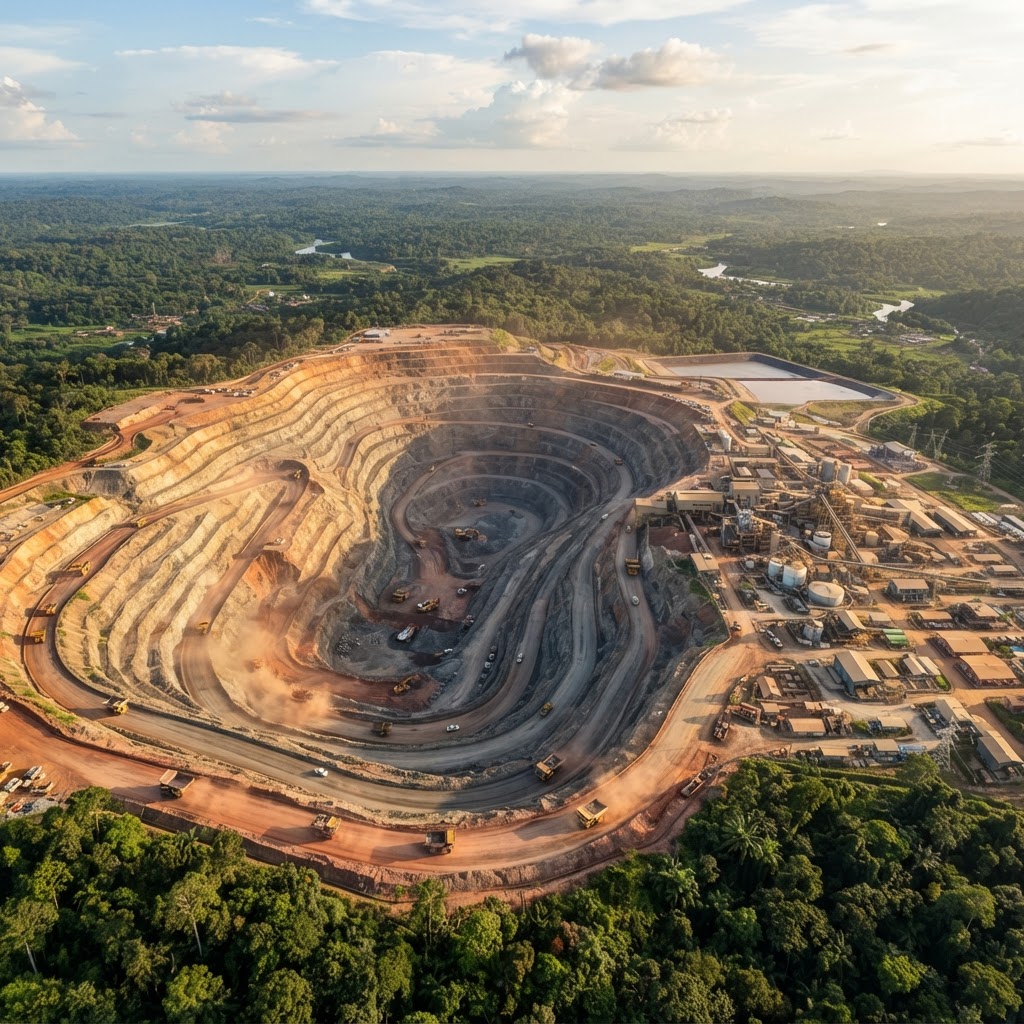
The Kibali Gold Mine, located in Ituri Province, northeastern DRC, is operated by Kibali Goldmines SA — a joint venture between AngloGold Ashanti (45%), Barrick Gold (45%), and Sokimo, the DRC state mining company (10%).
With annual production exceeding 750,000–800,000 oz, Kibali is the largest gold mine in Africa and one of the top 10 globally.
History and Development
- Discovery: Known since Belgian colonial era; redeveloped from 2009
- Construction: $2.4 billion invested in mine and infrastructure
- First production: 2013
- Underground transition: 2019 (shift from open pit to underground)
Geology and Resources
- Estimated total resource: 20+ million oz gold
- Primary deposit: Karagba-Chauffeur-Durba (KCD) orebody
- Average grade: ~2.0–2.5 g/t (open pit); 3.0–4.5 g/t (underground)
- Mine life: Extended to 2040+ with underground expansion
Operational Features
Kibali is notable for its self-contained infrastructure in a remote region:
- 4 hydroelectric power plants on the Kibali River (fully powered by renewables)
- On-site hospital, school, and accommodation for 3,000+ workers
- Connected by 360 km of roads constructed by the mine
- Automated underground mining with teleoperation technology
Impact on the DRC Gold Market
Kibali demonstrates that world-class, responsible mining is possible in the DRC:
- Creates 3,000 direct jobs and 6,000+ indirect jobs
- USD 200M+ in taxes and royalties paid to DRC government (2022)
- Pioneered renewable energy model for African mining
- Sets compliance and ESG benchmarks for smaller operators
What This Means for Buyers
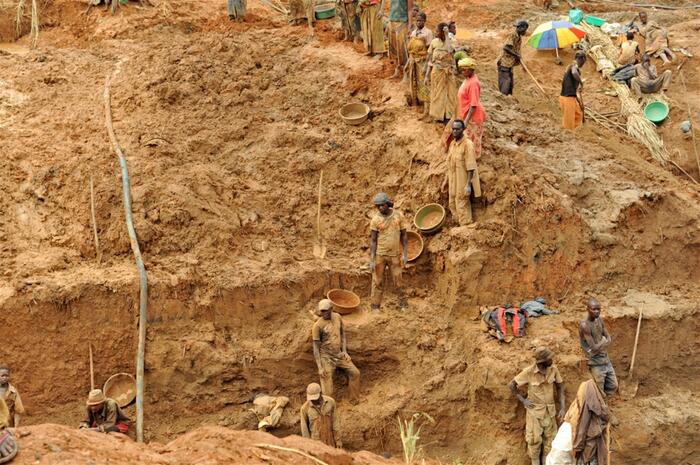
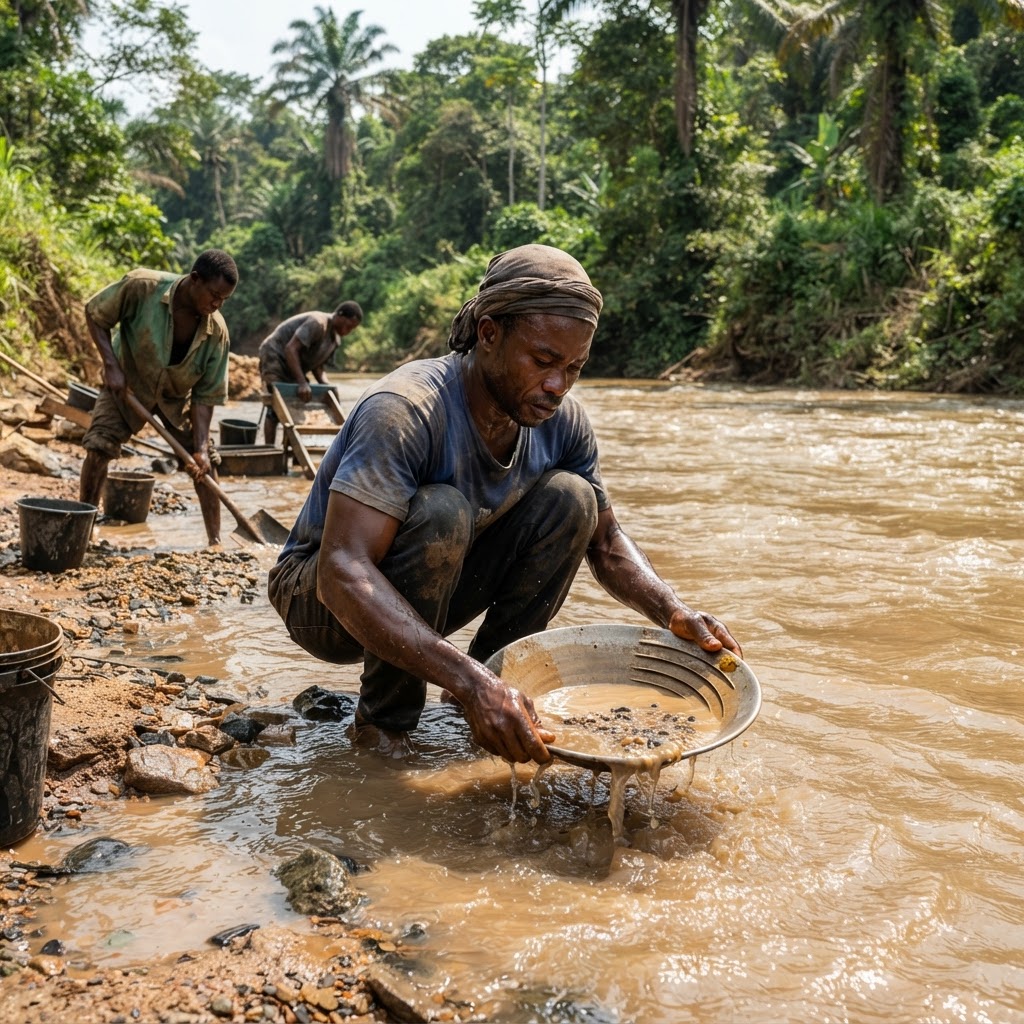
Kibali's success attracts international attention to DRC's geological potential. For artisanal gold buyers, it validates the DRC as a world-class source — and reinforces the importance of proper compliance when sourcing gold from the region.
Discuss Your Gold Sourcing Requirements
Interested in discussing legitimate gold sourcing, mining opportunities or African gold supply? Contact Equator Gold Resources to discuss your requirements and the applicable due-diligence process. Availability of gold is always subject to verification, and transactions are subject to applicable regulations.
About the Editorial Team
This article is published by the Equator Gold Resources Editorial Team for general educational purposes and does not constitute legal, tax, investment or professional advice. Gold transactions, mining, licensing, export, taxation, AML/KYC and documentation requirements differ by jurisdiction and change over time. Buyers and investors should confirm current requirements with the relevant government authorities in Uganda, the Democratic Republic of the Congo (DRC), South Sudan and other applicable jurisdictions, and seek advice from qualified legal, customs and assay professionals.